Smart Rings vs. Smartwatches: The Biometrics Battle
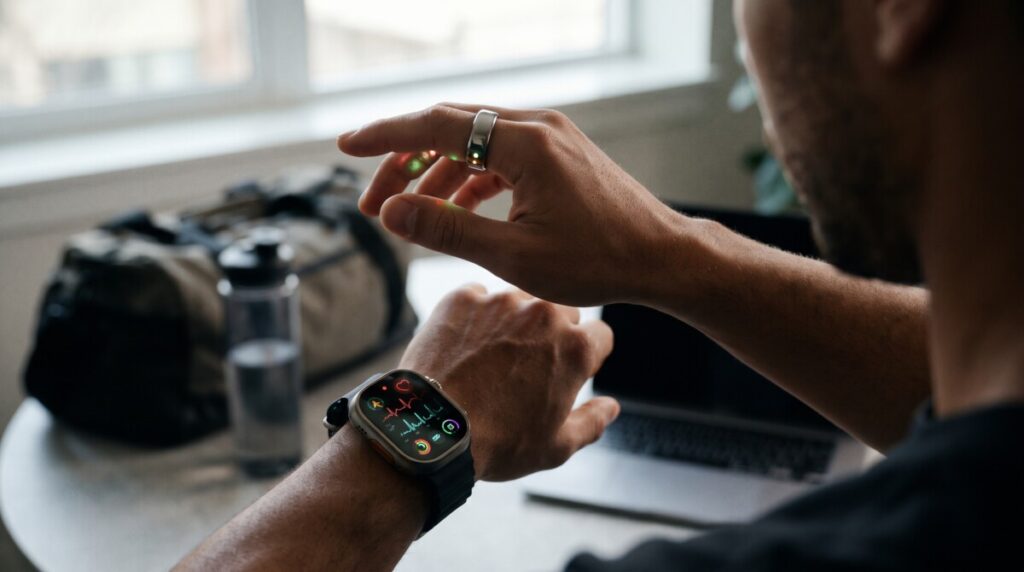
Wearable technology has quietly shifted focus from buzzing wrist notifications to silent, continuous physiological data collection. Health-conscious individuals now track subtle changes in body temperature, resting pulse, and nervous system recovery around the clock. The competition between screenless finger bands and feature-rich digital watches marks a major evolution in personal health monitoring. Consumers face a practical choice between multi-purpose touchscreens and minimalist rings that track vital metrics in the background. This technology debate highlights how people balance constant digital connectivity against unobtrusive personal wellness tracking.
Choosing the right biometric sensor requires a clear understanding of daily habits, personal athletic routines, and sleep preferences. While wrist devices dominate everyday fitness culture, finger-based trackers offer distinct biological advantages for long-term physiological monitoring. The ultimate goal is continuous data capture without the burden of constant battery charging or screen fatigue. Comparing hardware capabilities and physiological measurement sites helps shoppers invest in devices that deliver actionable health data.
https://01f7eqj-s6arhz9aqq8nz9xm75.hop.clickbank.net
Key Takeaways
Smart rings excel at overnight physiological tracking because the finger provides strong arterial pulse signals and consistent skin contact.
Smartwatches provide immediate visual metrics, GPS tracking, and interactive coaching that rings cannot display without a connected smartphone.
Screenless rings eliminate notification distractions and extend battery performance across several days of continuous health monitoring.
Accuracy of passive biometric data on finger versus wrist
Digital rings capture clean arterial pulse readings because the digital arteries in human fingers sit remarkably close to surface skin. Photoplethysmography sensors, which measure pulse volume changes using light, record steady signals along fingers with minimal motion interference. Clinical validation research indicates that finger-worn sensors capture precise heart rate variability and peripheral blood oxygen fluctuations during overnight rest. Wrist monitors often experience sensor slippage during rapid arm swings, which introduces motion artifacts into raw heart rate data. Consequently, passive recovery indicators like nightly baseline temperature shifts register with superior signal-to-noise ratios on steady finger perimeters.
https://e9e03cy4ld7pno993b1303ez9v.hop.clickbank.net
Real-time feedback trade-offs and digital distraction debates
Critics often note that smart rings lack the interactive capabilities that make smartwatches valuable tools during structured athletic training. Runners and cyclists rely on bright wrist displays to pace interval workouts, check routes, and monitor live exertion zones. A screenless ring cannot deliver instantaneous haptic warnings when heart rates exceed safety thresholds during demanding endurance sessions. However, behavioral researchers emphasize that traditional smartwatches distract users with non-stop application alerts throughout typical workdays. Ring champions view screenless hardware as a necessary digital detox that preserves health tracking without encouraging compulsive device checking.
Wearable market evolution toward invisible health sensors
Micro-sensor engineering and energy-efficient processors are pushing the wearable health market toward smaller, ambient monitoring form factors. Hardware manufacturers now embed medical-grade optical channels and Bluetooth chips into ceramic and titanium bands that weigh only a few grams. Industry forecasts show rapid market adoption as mainstream tech brands release dedicated smart rings that sync directly with health ecosystems. Modern consumer rings offer up to seven days of continuous battery life, outlasting wristwatches that demand daily dock visits. Future health ecosystems will likely combine discreet rings for resting recovery with lightweight watches dedicated strictly to active fitness.
The ongoing competition between smart rings and smartwatches reveals an industry moving toward deeply personalized, friction-free health tracking. Neither form factor represents a universal solution for every lifestyle, as each answers a different set of daily priorities. Smartwatches remain unmatched for interactive gym sessions, outdoor navigation, and immediate wrist communication. Conversely, smart rings set the standard for passive sleep assessment, unobtrusive recovery monitoring, and screen-free living. Consumers who clarify their primary health goals can pick the wearable that supports their personal wellness journey.
Sustained wellness improvement depends on reliable data consistency rather than device complexity or premium novelty features. Wearers should select the hardware format that feels comfortable enough to wear day and night without interruption. Consistent overnight metrics provide meaningful baselines for cardiovascular fitness, circadian alignment, and stress recovery. Adopting quiet biosensors transforms raw health indicators into sustainable lifestyle upgrades for work and rest. Choosing between a wrist display and a discreet ring brings modern users closer to seamless health empowerment.
https://focusofwellness.com/index.php/2025/07/31/ai-for-personalized-health-wellness/
Frequently Asked Questions
Which device tracks sleep more accurately, a smart ring or a smartwatch?
Smart rings generally deliver superior sleep tracking because fingers contain concentrated blood vessels that allow sensors to record clean arterial pulses throughout the night. Rings are also lighter and less bulky than wristwatches, so users rarely remove them before bed. This consistent overnight wear produces fewer missing data points when measuring sleep stages and body temperature shifts.
Can a smart ring replace a sports watch for athletic workouts?
Smart rings cannot completely replace dedicated sports watches for athletes who need real-time workout stats during exercise. Rings lack screens to display live pace, heart rate zones, or GPS route maps while running or cycling. They also cause uncomfortable friction during heavy barbell lifting, making smartwatches better suited for gym training.
How does battery life compare between smart rings and smartwatches?
Most smart rings last between four and seven days on a single charge because they do not power bright digital screens or frequent vibration motors. In contrast, full-featured smartwatches with interactive touch displays usually require recharging every one to two days. The extended battery life of rings simplifies continuous long-term biometric tracking without frequent charging interruptions.