The Third Place Deficit: Rebuilding Modern Community
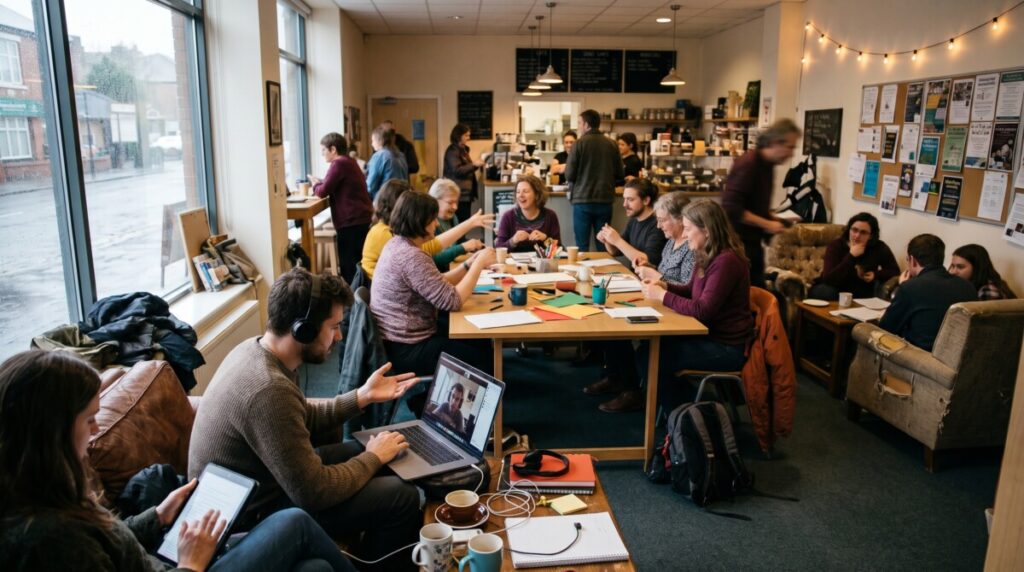
Millions of people move entirely between domestic living spaces and corporate desks, neglecting their need for genuine public belonging. Sociologists refer to everyday gathering spaces outside of home and employment—such as libraries, diners, and community parks—as essential third places. When these shared destinations vanish from daily routines, neighborhood bonds weaken and chronic feelings of isolation surge. The growing third place deficit now challenges public health professionals, city planners, and everyday citizens seeking authentic social connection. Rebuilding these communal environments holds the key to restoring social resilience across increasingly fragmented towns and cities.
Understanding this growing absence helps individuals recognize why casual conversations with neighbors feel increasingly rare today. Commercialization, rising retail rents, and digital consumption habits steadily diminish the number of free, welcoming public spaces. Without dedicated common areas, people naturally retreat into private residences and isolated routines that heighten everyday anxiety. Modern community building aims to counteract this quiet disconnection by restoring physical areas where varied populations naturally interact. Exploring practical solutions reveals how communities can revitalize accessible gathering hubs to rebuild lasting civic trust.
affiliate link
Key Takeaways
The third place deficit describes the widespread loss of accessible physical hubs outside of work and home where casual socializing happens.
Commercial pressures, automotive-centric suburban development, and screen-based entertainment continue to reduce informal social encounters.
Revitalizing physical social infrastructure—such as local libraries, public plazas, and neighborhood hubs—remains essential for combating the loneliness epidemic.
The decline of accessible third places and social isolation
The systematic erosion of physical gathering spaces directly contributes to rising loneliness rates across diverse populations. Sociologist Ray Oldenburg introduced the third place concept to highlight locations where social interaction remains informal, level, and inexpensive. Over recent decades, escalating real estate values, restrictive zoning regulations, and car-oriented suburban design closed down countless independent community venues. Public health data indicates that prolonged social isolation carries mortality risks comparable to smoking several cigarettes every single day. Communities that lack communal spaces experience steep declines in local volunteerism, reduced mutual aid networks, and weakened social cohesion.
affiliate link
Digital alternatives versus physical community hubs
Advocates of modern remote connectivity often argue that digital platforms successfully replace the need for traditional neighborhood gathering spots. Enthusiasts highlight virtual interest groups, messaging servers, and online forums as efficient spaces that unite geographically distant people around shared hobbies. However, digital communication frequently lacks the spontaneous, embodied encounters that build mutual trust across diverse social and economic backgrounds. Online spaces also rely on targeted engagement algorithms that often deepen ideological polarization rather than encouraging broad community empathy. While virtual networks provide rapid information sharing, they cannot substitute for the restorative physiological benefits of real-world physical presence.
Revitalizing social infrastructure for modern neighborhoods
Forward-thinking urban designers and municipal leaders are actively redesigning shared environments to satisfy unmet public social needs. Progressive municipalities are transforming traditional public libraries into vibrant neighborhood hubs equipped with tool-lending programs, community kitchens, and co-working lounges. Grassroots organizers frequently convert empty commercial storefronts and abandoned lots into walkable community gardens, open-air markets, and creative arts cooperatives. Commercial hospitality brands are also redesigning customer seating to foster unhurried lingering rather than prioritizing rapid customer turnover. As urban planning prioritizes human interaction, public gathering spaces will become recognized as critical municipal infrastructure.
The modern loneliness crisis clearly underscores that human beings require supportive, shared environments beyond private households and workplaces. Rebuilding community social infrastructure offers a dependable path toward repairing fractured neighborhood trust and personal emotional resilience. When civic leaders invest in accessible physical destinations, entire neighborhoods experience measurable gains in physical and emotional vitality. Reclaiming everyday social spaces transforms alienated urban districts into vibrant, cooperative networks of genuine mutual support. Sustaining this civic momentum demands that modern community development prioritizes accessible social connection over pure commercial extraction.
Active community revival starts whenever citizens deliberately choose to participate in physical gathering spaces within their immediate neighborhoods. Supporting local cultural centers, visiting municipal libraries, and organizing public neighborhood events builds durable local solidarity. Municipal planners and ordinary residents alike must collaborate to protect free public spaces from aggressive commercial redevelopment. By designing communities that center spontaneous human encounters, society can effectively dismantle the harmful effects of persistent social disconnection. Restoring welcoming third places remains a vital investment for ensuring that future generations experience belonging, safety, and connection.
https://blissfullway.com/return-to-real-guide-to-intentional-micro-communities/
Frequently Asked Questions
https://serenity7wellness.com/index.php/2025/12/23/a-new-era-of-travel-from-beaches-to-glacierss/
What is the third place deficit?
The third place deficit refers to the modern shortage of accessible physical gathering spaces outside of home and the workplace. These environments—including public parks, independent coffee houses, community centers, and neighborhood libraries—provide neutral territory where people gather for spontaneous conversation and leisure. When these locations close or become cost-prohibitive, everyday community cohesion significantly declines.
https://ea391pu8t33vfs9ate1ozm3s3z.hop.clickbank.net
Why are third places disappearing from modern society?
Third places are disappearing due to rising real estate expenses, auto-centric zoning regulations, and the rise of home-based entertainment and digital communication. Commercial venues often eliminate comfortable customer seating to discourage lingering and maximize hourly sales. Additionally, public municipalities regularly underfund parks, recreation centers, and libraries, leaving fewer welcoming spaces that people can enjoy for free.
How can neighborhoods rebuild modern third places?
Neighborhoods can rebuild third places by updating zoning codes to allow mixed-use, walkable gathering hubs within residential areas. Municipalities can invest in public libraries, pedestrian plazas, community gardens, and civic sports facilities that welcome all age groups. Local residents can also establish community meetups, park volunteer groups, and repair cafes to activate underutilized spaces.