Non-Sleep Deep Rest Protocols: Recover Fast
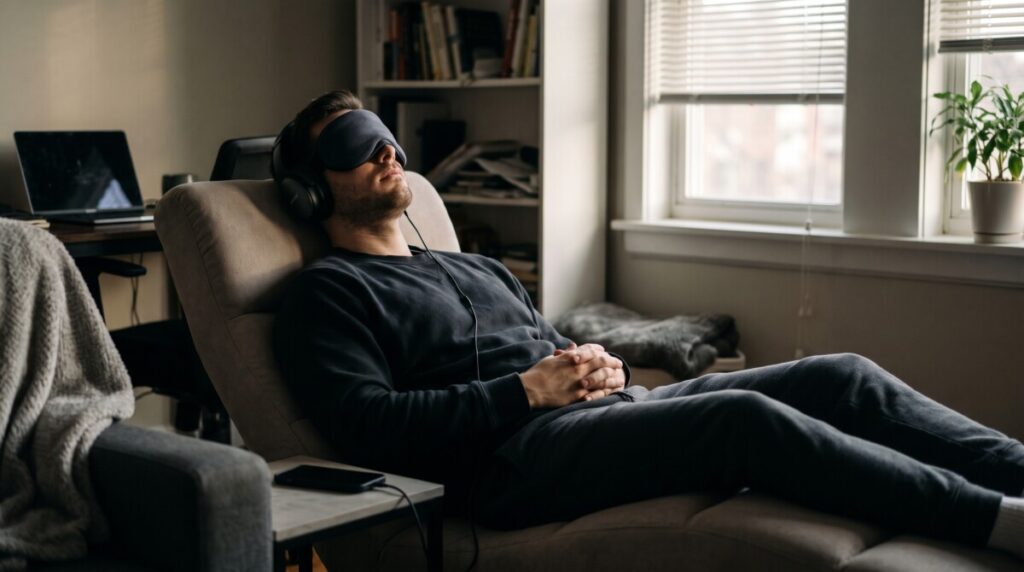
Modern schedules continuously demand sustained attention, yet few people possess effective tools to counter compounding mental fatigue. Professionals often rely on chemical stimulants like caffeine when mid-afternoon exhaustion threatens daily productivity. Non-sleep deep rest protocols offer an evidence-backed alternative that restores energy without disrupting regular nocturnal sleep patterns. Neuroscientists actively champion these structured downtime sessions as essential tools for rapid cognitive rejuvenation. Anyone seeking better focus can leverage deliberate relaxation techniques to stabilize baseline physical vitality.
The fundamental appeal of this method lies in its remarkable efficiency and physiological precision. Brief twenty-minute sessions allow practitioners to downshift neurological activity without entering full unconscious slumber. This targeted mental pause accelerates cellular repair mechanisms while resetting neurochemical balances inside overloaded brain circuits. Incorporating deliberate rest routines transforms how individuals manage chronic daily stressors across demanding work environments. Modern high performers increasingly view structured downtime as a necessary prerequisite for sustained professional excellence.
affiliate link
Key Takeaways
Non-sleep deep rest protocols lower autonomic nervous system arousal, enabling rapid physiological recovery in under thirty minutes.
Structured relaxation shifts brain wave activity from rapid beta patterns into restorative alpha and theta frequencies.
Consistent daily practice improves overall stress resilience, restores cognitive focus, and supports neuroplastic learning retention.
Science behind non-sleep deep rest protocols
Empirical studies demonstrate that non-sleep deep rest protocols fundamentally alter neurochemical states to support cognitive functioning. These practices guide individuals into hypnagogic states characterized by slow brain wave patterns that mirror early sleep stages. During these sessions, the brain down-regulates sympathetic nervous system tone while boosting parasympathetic activity to lower resting heart rates. Neuroimaging reveals that conscious relaxation replenishes baseline dopamine reserves within the striatum, which directly restores motivation and mental stamina. Clinical researchers also observe that brief rest intervals immediately following intense study periods significantly enhance long-term memory consolidation.
affiliate link
Skepticism surrounding conscious relaxation practices
Traditional productivity cultures often dismiss non-sleep deep rest protocols as rebranded ancient meditation practices lacking unique biological value. Critics frequently argue that brief twenty-minute daytime naps provide identical restorative outcomes without requiring guided audio scripts. Skeptics also point out that individuals suffering from acute anxiety may feel heightened agitation during prolonged somatic tracking exercises. Furthermore, corporate environments rarely provide quiet sanctuaries or designated downtime spaces for employees to engage in structured relaxation routines. Despite these legitimate practical hurdles, controlled laboratory research consistently demonstrates that guided rest avoids the persistent grogginess associated with traditional midday sleep.
Daily applications of guided rest protocols
Adopting non-sleep deep rest protocols provides immediate utility for individuals navigating high-pressure creative, academic, or corporate workflows. Remote employees increasingly deploy ten-minute guided body scans between demanding virtual meetings to prevent cumulative mental exhaustion. Professional athletic organizations now integrate targeted breathwork routines into post-training recovery sessions to accelerate muscular repair and reduce systemic inflammation. Emerging digital wellness platforms continue designing personalized acoustic soundscapes that adapt real-time pacing based on individual biometric feedback. Forward-thinking enterprises will likely normalize scheduled cognitive pauses as indispensable operational strategies for sustaining peak workforce output.
The modern reliance on relentless hustle culture frequently blinds professionals to the profound biological necessity of intentional downtime. Non-sleep deep rest protocols bridge the gap between exhausting work cycles and natural bodily rhythms. Systematic physical relaxation equips individuals with durable neurobiological tools to prevent chronic professional burnout over extended timelines. Mastering deliberate relaxation techniques empowers people to reclaim agency over their fluctuating daily energy reserves. This scientific paradigm shift elevates mental recovery from an accidental luxury into an essential daily discipline.
Sustainable peak performance ultimately requires balancing intense cognitive exertion with equally deliberate neurological disengagement. Organizations that embrace systematic recovery frameworks will cultivate far more creative, resilient, and focused professional workforces. Individuals who commit to brief daily sessions discover reliable pathways to profound cognitive clarity and physical equilibrium. The broader adoption of these accessible practices signals a promising evolution in how humanity approaches lifelong mental wellness. Dedicated rest protocols will continue providing the biological foundation necessary for flourishing within an increasingly demanding world.
https://serenity7wellness.com/index.php/2026/01/08/cozymaxxing-sleep-mood-enhancing-tips/
Frequently Asked Questions
What are non-sleep deep rest protocols?
Non-sleep deep rest protocols are structured relaxation techniques designed to guide the brain and body into states of profound physical calm while retaining conscious awareness. These practices typically combine slow diaphragmatic breathing, mental imagery, and systematic body scans to slow neural activity down to alpha and theta frequencies. Individuals use these accessible sessions to achieve the restorative benefits of deep sleep in a fraction of the time.
https://82e60ov5l5zyjq3qxdj7qa69ae.hop.clickbank.net
How do non-sleep deep rest protocols differ from standard meditation?
While both disciplines cultivate mental clarity, standard meditation usually requires active attentional training, focused vigilance, and the continuous redirection of wandering thoughts. Non-sleep deep rest protocols emphasize complete somatic release and deliberate nervous system down-regulation through passive guided instructions. This passive framework makes the process significantly easier for beginners who struggle with the mental discipline required for silent sitting meditation.
When is the most effective time during the day to practice these protocols?
The early afternoon represents the ideal window for structured relaxation, as natural circadian dips regularly cause sluggishness and decreased cognitive output during this period. Practicing immediately following an intense learning or skill-acquisition session also accelerates neural consolidation and boosts overall retention rates. Alternatively, completing a session first thing in the morning can help reset an overactive nervous system before facing daily professional demands.