Long-Stay Digital Nomad & Slow Travel Guides
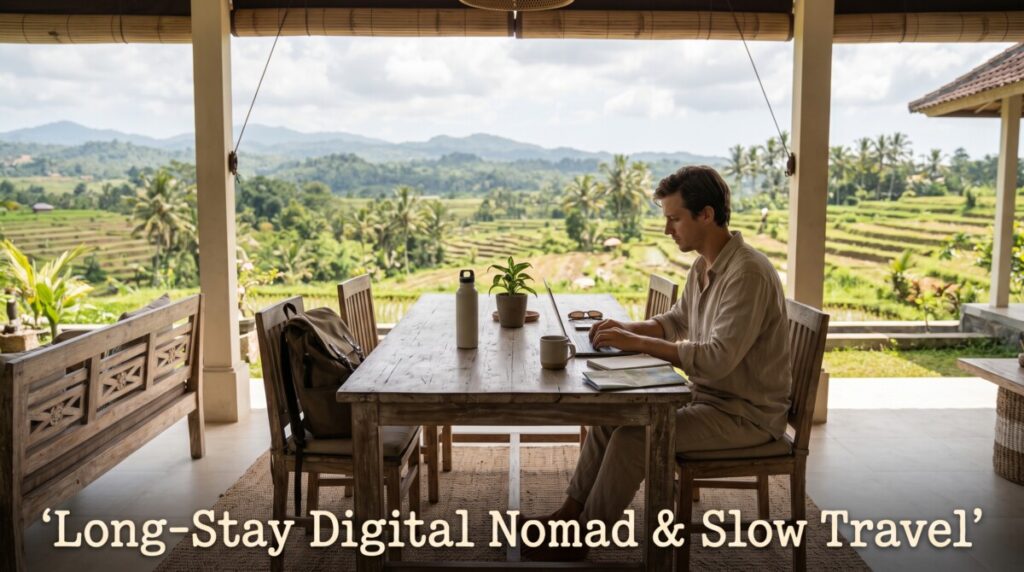
When I first started working remotely overseas, hopping between new cities every few weeks quickly drained my energy. I soon learned that true freedom comes from unpacking my bags and staying in one community for several months. Using long-stay digital nomad and slow travel guides transformed my remote work career into a sustainable, deeply fulfilling lifestyle. In this practical guide, I share how staying longer in each destination helps you save money and build lasting connections.
https://ea391pu8t33vfs9ate1ozm3s3z.hop.clickbank.net
Key Takeaways
Staying in destinations for multiple months significantly reduces travel fatigue while lowering average housing and transportation expenses.
Critics caution that prolonged stays still create local housing pressure and require complex international tax and legal compliance.
Expanding digital nomad visas and improved regional infrastructure make slow travel more accessible for global remote workers.
Why Long-Stay Digital Nomad and Slow Travel Guides Build Balance
Modern remote workers increasingly reject fast-paced tourist travel in favor of spending several months in a single foreign city [MBO Partners, 2025]. Industry research shows that over forty million professionals now embrace location independence by establishing seasonal home bases worldwide [Nomads.com, 2026]. For example, remote workers in hubs like Chiang Mai secure monthly apartment rentals that cost significantly less than short-term hotels [Flatio, 2026]. Staying longer allows employees to establish consistent working routines while actively preventing severe cognitive burnout from constant relocation [Fraunhofer, 2026]. Consequently, detailed slow travel guides provide essential blueprints for balancing productive work hours with meaningful cultural immersion overseas.
https://e4715kxzoazsnm1l-3qcwh9zbo.hop.clickbank.net
Addressing Common Critiques of the Long-Stay Digital Nomad Lifestyle
Despite its undeniable appeal, many urban economists argue that prolonged nomad stays create severe financial friction for local host communities [Gomez, 2024]. Influxes of foreign remote workers often drive up neighborhood rental prices and displace resident families from historic city centers [Martins, 2025]. Furthermore, tax advisors emphasize that residing abroad for extended periods triggers complex legal obligations that many travelers casually overlook [Staywise, 2026]. Inexperienced nomads frequently struggle with unexpected social isolation when moving between foreign countries without establishing deeper community roots [Davis, 2025]. Therefore, travel ethicists urge global workers to patronize local businesses and respect native cultural norms during their extended stays.
Emerging Destinations and Future Visas for Remote Slow Travelers
Forward-thinking governments are transforming international mobility by introducing multi-year digital nomad visas to attract skilled foreign professionals [EliteBrains, 2026]. More than sixty countries now offer official legal residency pathways specifically designed for foreign remote workers and digital entrepreneurs [Staywise, 2026]. For instance, countries like Bulgaria, Sri Lanka, and Spain provide renewable permits that grant legal access to local public services [EliteBrains, 2026]. Looking ahead, specialized coliving developments and global health insurance networks will make cross-border living simpler and safer than ever before [Viaconecta, 2026]. These expanding policy frameworks will encourage more mid-career professionals to experience slow international living throughout their working years.
Embracing a More Meaningful Journey
In my remote journey, I discovered that slow travel offers a much richer path than rushing through crowded tourist itineraries. Choosing long-term stays protects your financial budget, preserves your daily mental energy, and supports meaningful cultural connections in host communities. While managing international taxes and housing ethics requires careful planning, expanding nomad visas make legal relocation easier each passing year. I believe that learning to live like a thoughtful resident transforms ordinary travel into a deeply rewarding lifetime adventure. Take a quiet moment today to picture where you might live and work if you chose to stay a while.
https://serenity7wellness.com/index.php/2026/03/05/predictive-budgeting-using-ai-to-forecast-spending-6-months-out/
https://abrotherabroad.com/
Frequently Asked Questions (FAQs)
What is the main benefit of slow travel for remote workers?
Slow travel allows remote professionals to establish regular daily routines without experiencing the exhaustion of constant travel. Staying in one location for several months dramatically reduces monthly living costs through discounted long-term apartment leases. Furthermore, extended stays give digital workers genuine opportunities to build meaningful relationships with local residents and neighborhood communities.
How do digital nomad visas support long-term international stays?
https://82e60ov5l5zyjq3qxdj7qa69ae.hop.clickbank.net
Dedicated digital nomad visas provide formal legal permission for remote employees to reside abroad while earning foreign income. Over sixty countries currently offer these specialized permits, which typically grant legal residency for one to five years. Having an official visa eliminates visa runs and grants travelers lawful access to banking and healthcare systems abroad.
How can digital nomads practice ethical slow travel in host communities?
Digital nomads can minimize negative neighborhood impacts by renting homes outside crowded historic centers and cooking with local market ingredients. Spending money directly at neighborhood family shops and learning basic language phrases fosters mutual goodwill with host communities. Additionally, travelers must ensure they comply with local tax laws and regulations to contribute fairly to civic infrastructure.