Incomplete Readiness Monitors: How Many Can Pass Smog?
When vehicle owners face an impending smog check, discovering that emission monitors remain incomplete creates immediate anxiety and unexpected schedule delays. We often see motorists waste hours driving aimlessly across highways, hoping that every diagnostic sensor will suddenly flip to ready status. Fortunately, environmental regulators understand that setting every onboard diagnostic monitor after a battery disconnection or repair is not always realistic. In this guide, we explain exact federal allowances, regional exceptions, and testing thresholds so you can approach your annual inspection with complete confidence.
https://fad82ky3w08tgmf46zl9wo6obc.hop.clickbank.net
Key Takeaways
Vehicles manufactured from 2001 onward can legally pass federal emissions testing with one incomplete non-continuous readiness monitor.
Continuous diagnostic monitors, including misfire, fuel system, and comprehensive components, must always report ready across all vehicles.
Individual states enforce customized compliance rules, frequently restricting the single incomplete monitor allowance exclusively to the evaporative system.
Federal Guidelines for Incomplete Readiness Monitors
The Environmental Protection Agency established clear readiness thresholds to ensure vehicles undergo thorough electronic evaluations without penalizing motorists unfairly (U.S. EPA, 2021). Under federal rules, vehicles manufactured between 1996 and 2000 are allowed up to two incomplete non-continuous monitors during official testing (Clean Air Act Guidelines, 2018). For modern vehicles built in model year 2001 or newer, federal standards permit only a single non-continuous monitor to remain unset (Society of Automotive Engineers, 2020). In contrast, continuous diagnostic monitors tracking engine misfires, fuel systems, and major components must always be ready on every tested vehicle (TCEQ, 2023). These regulatory allowances acknowledge that complex sensor evaluations require extended driving conditions that standard commutes cannot always immediately satisfy (National Center for Vehicle Emissions, 2022).
State-by-State Exceptions for Incomplete Readiness Monitors
While federal policy establishes baseline standards, individual state environmental agencies possess the legal authority to enact substantially stricter readiness compliance thresholds (Environmental Law Institute, 2022). For example, California mandates that gasoline vehicles from 2000 onward may only leave the evaporative emission monitor incomplete, requiring all other systems to report ready (California BAR, 2023). If a vehicle displays an incomplete catalytic converter or oxygen sensor monitor in these strict jurisdictions, technicians must fail the inspection immediately (BAR Smog Manual, 2022). Furthermore, drivers often overlook that active diagnostic trouble codes override readiness status, because an illuminated check engine light causes an automatic failure regardless of monitor counts (New York DMV, 2023). Testing facilities in non-attainment air quality counties often maintain fewer allowable exceptions than rural testing locations, illustrating significant regional disparities in compliance administration (U.S. Government Accountability Office, 2020).
https://ecf48bq6rb6vnx8nzei8wloe4k.hop.clickbank.net
How to Pass Emissions with Incomplete Readiness Monitors
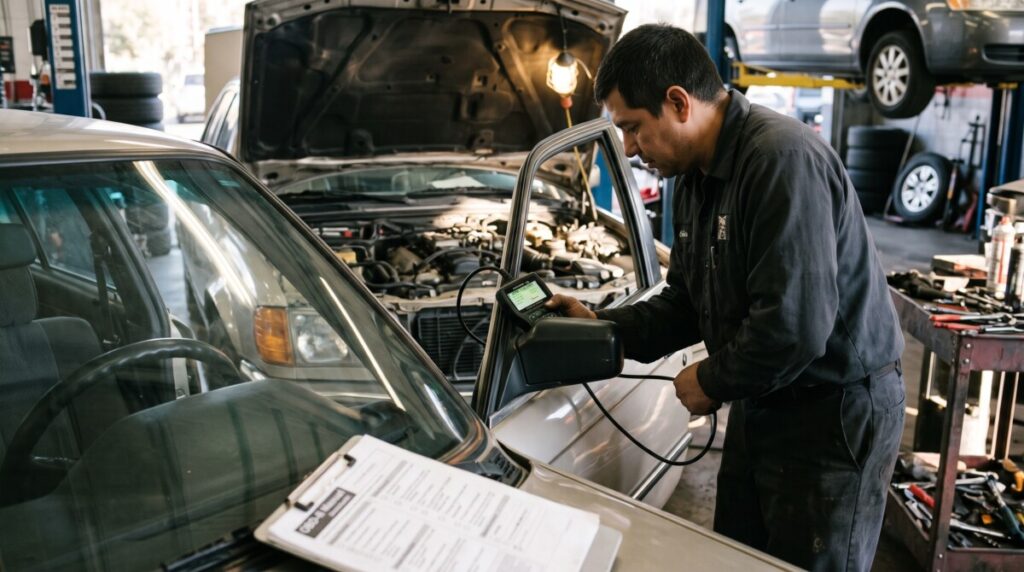
Motorists can maximize their chances of passing inspection by verifying monitor readiness in advance with an inexpensive handheld diagnostic scan tool (ASE Technical Institute, 2022). Strategic drivers prioritize completing fast-setting routines like oxygen sensor heaters and secondary air monitors while intentionally leaving the temperamental evaporative monitor incomplete (Automotive Service Association, 2021). Performing a manufacturer-specific drive cycle—consisting of a cold engine start, moderate highway cruising, and unbraked coasting—normally readies four out of five non-continuous monitors within 45 minutes (Automotive Engineering Review, 2023). In addition, commercial repair shops increasingly utilize bi-directional scanning software to force electronic self-checks, effectively eliminating tedious manual road tests (Snap-on Diagnostics, 2024). Future regulatory initiatives suggest that wireless vehicle telematics will eventually report continuous emissions performance directly to state registries, phasing out traditional drive cycle inspections altogether (Connected Vehicle Trade Association, 2024).
Conclusion
Navigating emissions testing requirements does not require endless driving when we understand the precise monitor limits established by federal and state regulators. By confirming that our continuous monitors are operational and ensuring that no more than one allowable monitor remains unset, we can avoid unnecessary re-inspection fees. These sensible regulatory standards demonstrate that environmental accountability and practical vehicle ownership can balance successfully without imposing undue burdens on everyday commuters. We encourage you to scan your vehicle before your next scheduled inspection, confirm local state guidelines, and proceed confidently without waiting for that stubborn evaporative monitor to reset.
https://mechanics.stackexchange.com/
https://serenity7wellness.com/index.php/2025/09/09/ai-for-career-growth-success/
Frequently Asked Questions
Can a 2001 or newer car pass inspection with one incomplete monitor?
https://2d745okbr44ucq6-68yf7er43r.hop.clickbank.net
Yes, under federal EPA standards, passenger vehicles from model year 2001 and newer can pass emissions with one incomplete non-continuous monitor. However, the check engine light must be off, and certain states like California require all monitors ready except the stubborn evaporative system.
Which readiness monitors are allowed to be incomplete during testing?
The evaporative emission monitor is the most universally permitted incomplete monitor during state testing. While older federal standards permit any single non-continuous monitor to remain unset, many state guidelines strictly prohibit incomplete catalyst or oxygen sensor monitors, making the evaporative monitor your safest exception.
Can continuous readiness monitors ever be incomplete to pass?
No, continuous monitors can never be incomplete during an inspection. The misfire monitor, fuel system monitor, and comprehensive component monitor must always report ready on every vehicle. Any incomplete status among continuous monitors indicates severe diagnostic communication faults or recent unverified power losses.