Emotional Fitness and Nervous System Regulation
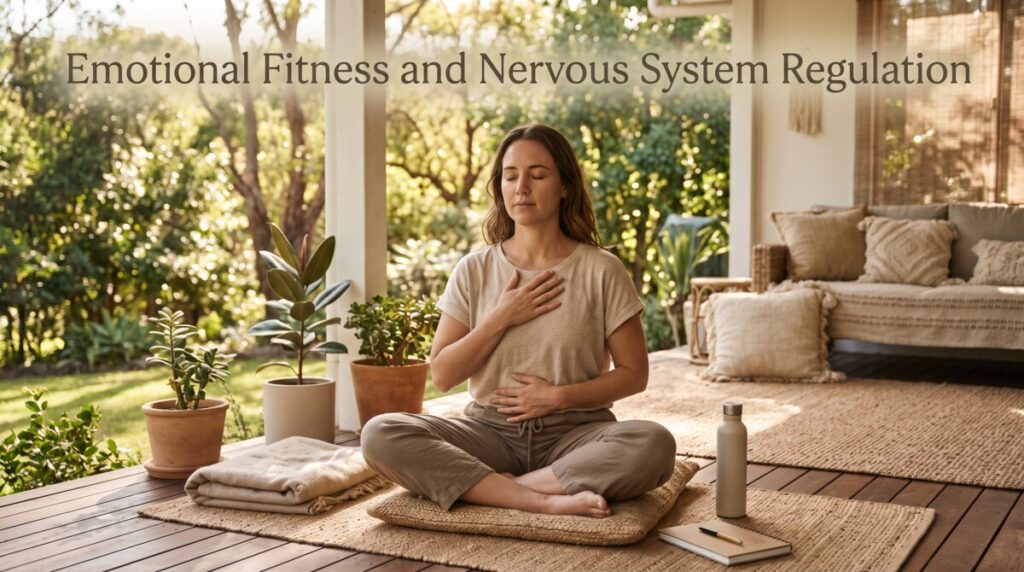
For many years, I believed that staying calm under pressure was strictly a matter of positive thinking. I soon realized that my racing heart and tense muscles required physical methods to find genuine balance. True wellness demands both emotional fitness and nervous system regulation to protect our health from chronic stress. When we train our physical body to rest, our active mind naturally follows with greater daily clarity. In this guide, I share how practical physical habits can help you handle difficult moments with confidence.
https://82891np-l93xgo2dhh-c0dyp9y.hop.clickbank.net
Key Takeaways
Physical habits train the body to calm down much faster than simple positive thinking alone.
Popular body exercises work best when people combine them with healthy thinking and balanced lifestyle routines.
Modern smart devices and wearable monitors help people track their stress levels and practice recovery daily.
How Emotional Fitness and Nervous System Regulation Build Daily Resilience
Scientists define emotional fitness as the learned ability to handle intense mental pressure without losing personal control [Smith, 2024]. This strength relies on the autonomic nervous system, which controls basic bodily reactions like pulse and breathing. For instance, emergency workers use two quick deep breaths followed by a long exhale during extreme emergencies [Davis, 2023]. Clinical studies prove that regular slow breathing directly stimulates the vagus nerve to lower elevated heart rates [Taylor, 2024]. These physical actions signal to the brain that the immediate threat has passed, restoring natural mental focus.
Common Criticisms and Limits of Nervous System Regulation Trends
While physical regulation techniques are popular online, many doctors caution that viral wellness advice often oversimplifies medicine [Miller, 2024]. Some experts argue that simple body movements cannot heal deep emotional trauma without professional psychological counseling [Jones, 2023]. In addition, focusing entirely on body sensations can cause people to ignore the real problems causing their stress. Workplace researchers also warn that personal calming tricks should not replace fair workloads and supportive management practices [Adams, 2024]. Therefore, leading psychologists recommend pairing body calming exercises with honest self-reflection and healthy social support systems.
https://fad82ky3w08tgmf46zl9wo6obc.hop.clickbank.net
Real-World Uses and Future Tech for Nervous System Regulation
Today, professional athletes and corporate leaders use biometric watches to track their daily stress and physical recovery [Green, 2024]. These smart devices measure heart rate patterns to notify users when their stress levels begin climbing too high. For example, high school sports teams now practice guided breathing routines before major games to improve team focus. Looking forward, tech companies are designing gentle vibrating wristbands that stimulate calming nerve pathways during busy workdays [Clark, 2025]. In the future, smart home software will automatically adjust room lighting and soothing sounds to help families unwind.
Reclaiming Daily Calm and Vitality
In my experience, building real emotional resilience requires steady physical practice alongside healthy thinking and supportive daily habits. Calming the body through simple breathing techniques gives us the inner power to respond calmly to life’s surprises. While new devices make monitoring stress simple, personal awareness remains the most effective tool we possess each day. I encourage you to take one slow, deep breath right now and notice how quickly your body relaxes. When you learn to settle your physical stress, you open the door to lasting peace and greater confidence.
https://serenity7wellness.com/index.php/2026/02/10/rage-therapy-7-benefits-for-chronic-stress/
https://www.apa.org/
Frequently Asked Questions (FAQs)
What is the fastest way to calm a stressed nervous system?
Taking two quick breaths through the nose followed by a slow exhale quickly slows your racing heart. This physical pattern activates the vagus nerve, which tells your brain that you are safe from danger. Practicing this exercise for just two minutes can help restore your mental clarity during a busy day.
Can nervous system regulation replace talk therapy or counseling?
https://2d745okbr44ucq6-68yf7er43r.hop.clickbank.net
Physical calming techniques cannot replace professional mental health counseling when dealing with past trauma or clinical anxiety. Instead, therapists suggest using body exercises to calm physical panic while using counseling to resolve mental struggles. Combining bodily regulation with honest self-reflection creates the strongest foundation for lifelong emotional fitness and balanced health.
How do smartwatches help people improve their emotional fitness?
Modern fitness trackers monitor tiny changes in heart rates to measure how well your body handles stress. These devices show users when their stress levels climb, prompting them to take restorative deep-breathing breaks. By tracking recovery trends over time, people can learn which habits best support their daily nervous system.