Muscle-Centric Longevity: Functional Strength for Lifelong Health
When I think about what it takes to age well, I’m struck by the science reshaping how we see muscle. No longer just for looks or athletes, robust muscle mass is now tied to better metabolism, resilience, and longer healthspan. As I explore this new understanding, I’ll show why functional strength is essential for everyone, not just bodybuilders. Let’s dive into why muscle is at the heart of staying strong for life.
Key Takeaways
Muscle acts as a vital endocrine organ and is a dynamic health biomarker—not just a cosmetic asset.
Emphasizing muscle-centric longevity helps counteract sarcopenia and improves metabolic resilience across the lifespan.
Targeted strength training, including multi-joint and resistance exercises, offers scalable, practical health benefits for healthy aging.
https://ea391pu8t33vfs9ate1ozm3s3z.hop.clickbank.net
Muscle as an endocrine organ and biomarker for longevity
Skeletal muscle is increasingly recognized as an active endocrine organ, releasing myokines—hormone-like molecules—during contraction. These myokines support anti-inflammatory processes, improve insulin sensitivity, and regulate overall metabolism, making muscle mass a crucial biomarker for long-term health and metabolic resilience (Pedersen & Febbraio, 2012). Recent research shows that higher muscle mass predicts lower rates of chronic disease and reduced mortality risk, independently of body weight or fat mass (Srikanthan & Karlamangla, 2014). By focusing on muscle strength and function, individuals can promote a longer, healthier life and effectively reduce the onset of sarcopenia and frailty (Cruz-Jentoft et al., 2019).
Limitations of muscle-centric longevity for all populations
Not all individuals respond equally to muscle-centric longevity strategies. Age, genetics, chronic illnesses, and access to suitable training environments can limit results or make heavy resistance training unsuitable for some. Additionally, excessive focus on muscle mass without corresponding cardiovascular fitness or flexibility can create imbalances or even injury risk (Ritti-Dias et al., 2020). While muscle health is vital, comprehensive aging should also include aerobic capacity, mobility, and mental wellbeing. Furthermore, some populations with neuromuscular disorders or advanced frailty require individualized approaches rather than standardized regimens.
Practical steps to enhance functional strength and healthy aging
https://e4715kxzoazsnm1l-3qcwh9zbo.hop.clickbank.net
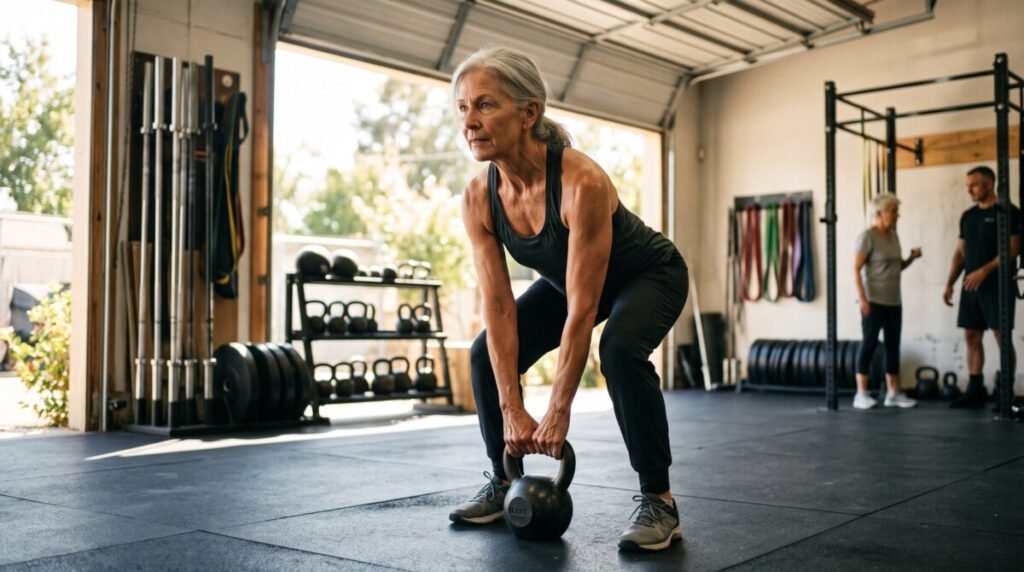
Adopting a muscle-centric approach starts with strength training: multi-joint lifts, resistance bands, and stability-focused exercises two to three times per week. Personalized progression—tailoring weights and intensity—helps avoid injury and ensures long-term adherence. Even older adults and beginners benefit from simple movements like squats, lunges, and rotational stability drills (Villareal et al., 2017). Looking ahead, the integration of muscle health with digital tracking (e.g., wearables) and “exercise-as-medicine” prescriptions are emerging trends that make functional strength an achievable goal for nearly anyone.
Conclusion
After exploring the powerful science behind muscle-centric longevity, I am convinced that maintaining functional strength is foundational for lifelong health. The evidence is clear: muscle mass isn’t just for aesthetics—it’s central to metabolic health, resilience, and preserving independence as we age. To those seeking to future-proof their health, I encourage starting a strength program today, tailored to your age and ability. Remember: strong muscles mean a strong, vibrant future.
https://serenity7wellness.com/index.php/2026/02/17/active-aging-programs-are-key-for-longevity/
https://holisticwellnesswave.com/index.php/2025/09/02/maintaining-functional-and-cellular-health/
Frequently Asked Questions
What is muscle-centric longevity?
Muscle-centric longevity refers to the practice of prioritizing muscle mass and strength as core pillars for healthy aging. Research shows that muscle acts as an endocrine organ, supporting metabolic health, disease prevention, and improved lifespan well beyond aesthetic benefits.
How does building muscle improve metabolic resilience?
Building muscle enhances the body’s metabolic resilience by increasing insulin sensitivity, boosting energy expenditure, and facilitating better blood sugar control. Muscle tissue releases myokines, which help combat chronic inflammation and support overall metabolic function throughout life.
Can older adults benefit from strength training?
Yes, older adults significantly benefit from strength training. Even low-impact resistance exercises can slow or reverse muscle loss (sarcopenia), improve balance, reduce fall risk, and boost daily function, making muscle-centric longevity especially valuable for healthy aging.
Interesting Findings
Skeletal muscle operates like a hormone factory, signaling to distant tissues, not just aiding movement.
Lean muscle mass, not body fat, is a superior predictor of healthy years lived, regardless of weight loss (Srikanthan & Karlamangla, 2014).
Resistance training benefits persist across age groups—including people in their 80s—with the right adaptations.
Sources
Pedersen BK, Febbraio MA. “Muscles, exercise and obesity: skeletal muscle as a secretory organ.” Nature Reviews Endocrinology. 2012. Link
Srikanthan P, Karlamangla AS. “Muscle mass index as a predictor of longevity in older adults.” The American Journal of Medicine. 2014. Link
Cruz-Jentoft AJ et al. “Sarcopenia: revised European consensus on definition and diagnosis.” Age and Ageing. 2019. Link
Ritti-Dias RM, et al. “Muscle strength and risk factors for cardiovascular disease.” Current Hypertension Reports. 2020. Link
Villareal DT, et al. “Resistance training and physical function in older adults.” Journal of Clinical Endocrinology & Metabolism. 2017. Link