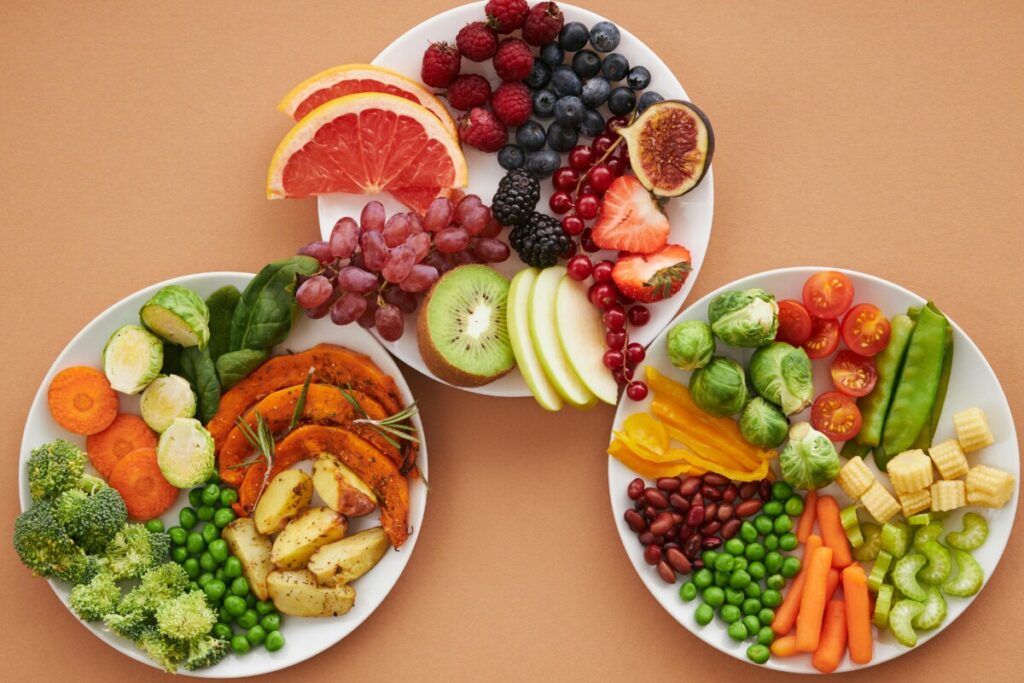
Popular Diets: Pros & Cons Revealed

In today’s world, the diet landscape is a maze filled with countless options, trends, and fads. From keto to veganism, each offers promises of rapid weight loss and improved health. Yet, with so much conflicting information, how do you discern what truly works?
This is where the importance of science-backed information comes into play. Relying on peer-reviewed studies and expert insights ensures you make informed choices, steering clear of gimmicks that ultimately lead to disappointment.
The purpose of this article is to cut through the noise and provide clarity on the most popular diets. We will explore the principles, pros, and cons of each, empowering you with knowledge to find the best fit for your lifestyle and health goals. Get ready to embark on a journey towards understanding what diet truly works for you.
affiliate link
Keto Diet Overview
The ketogenic diet, or keto diet, is a low-carbohydrate, high-fat eating plan designed to shift the body’s metabolism from burning carbohydrates to utilizing fat for energy. This transition occurs when carbohydrate intake is reduced significantly, inducing a metabolic state known as ketosis. In ketosis, the body efficiently converts fat into ketones, providing energy for the brain.
The standard ketogenic diet typically comprises about 70% fat, 20% protein, and only 10% carbohydrates. While the diet can promote effective weight loss, research on specific weight-loss speed is still evolving.
However, following this diet can lead to potential nutrient deficiencies. Common deficiencies include folate, biotin, and selenium, which can impact energy levels and overall health. Nutritional gaps may result in decreased energy, mood swings, and increased cravings, making it vital to ensure a balanced intake of nutrient-dense foods.
“The keto diet can lead to significant reductions in blood sugar and insulin levels, making it beneficial for many health conditions.”
Paleo Diet Insights
The paleo diet is rooted in the idea of mimicking the dietary patterns of our ancestors from the Paleolithic Era. This eating plan emphasizes whole foods like fruits, vegetables, lean meats, fish, eggs, nuts, and seeds while excluding grains, legumes, and dairy products. The goal is to align modern eating habits with those of early humans, addressing health issues linked to agricultural diets.
Research indicates that the paleo diet can be effective for weight loss. Several studies show significant reductions in body fat and waist circumference among those adhering to this plan. The focus on nutrient-dense foods enhances satiety, which may help with weight management.
However, potential drawbacks exist. Transitioning to a high-fiber diet can cause digestive issues like diarrhea or constipation. Additionally, individuals may experience fatigue if their diet lacks sufficient calories or carbohydrates. It’s crucial to plan meals carefully to maintain energy levels and overall health.
Exploring Veganism
A vegan diet emphasizes the exclusion of all animal products, including meat, dairy, and eggs. Instead, it focuses on a rich variety of plant-based foods such as whole grains, fruits, vegetables, beans, nuts, and seeds. This approach can lead to higher intakes of essential nutrients like fiber, antioxidants, and vitamins A, C, and E.
One major benefit of a vegan diet is weight management. Studies show that vegans often have lower body mass indexes (BMIs) due to the high fiber content and lower calorie density of their foods. However, it’s crucial to plan carefully to avoid deficiencies in nutrients like vitamin B12 and iron.
“A well-planned vegan diet can significantly reduce the risk of heart disease and certain cancers.”
In terms of energy levels, many people report feeling more energetic on a vegan diet. However, it’s essential to ensure a balanced intake of nutrients to sustain energy. Sustainability is another positive aspect, as plant-based diets typically have a lower environmental impact compared to meat-heavy diets. Overall, with proper planning, a vegan diet can be both advantageous and fulfilling.
affiliate link
The Mediterranean Diet Approach
The Mediterranean diet is rooted in the traditional eating habits of countries bordering the Mediterranean Sea. Its core elements include a high intake of plant-based foods such as vegetables, fruits, whole grains, and legumes. Healthy fats, particularly from olive oil and nuts, replace saturated fats, promoting heart health by lowering total and LDL cholesterol levels.
Research highlights numerous health benefits associated with this diet. It is linked to lower risks of cardiovascular diseases and supports metabolic health, which can enhance energy levels. The emphasis on omega-3 fatty acids from fish contributes further to heart health.
Moreover, the Mediterranean diet aligns with sustainability principles. Its focus on whole foods and plant-based ingredients results in a lower environmental impact compared to more resource-intensive diets. By adopting this lifestyle, individuals not only improve their health but also contribute positively to the planet.
Intermittent Fasting Explained
Intermittent fasting is an eating plan that alternates between periods of fasting and eating. It focuses on when to eat rather than what to eat, allowing individuals to consume food during specific windows. Common methods include the 16/8 approach, where you eat for 8 hours and fast for 16, and the 5:2 method, which involves eating normally for five days and limiting intake to 500-600 calories on two non-consecutive days.
Research indicates that intermittent fasting can aid in weight management, with studies showing weight loss ranging from 0.8% to 13.0% of baseline body weight. However, the effectiveness can vary depending on the fasting method and individual adherence. Energy levels can fluctuate during fasting periods, leading to potential fatigue.
While intermittent fasting offers benefits, it also has potential downsides. Side effects can include headaches, irritability, and the temptation to overeat during eating windows. It is crucial to consult with a healthcare professional before starting, especially for those with existing health conditions or who are on medication.
Comparative Summary Table
Understanding the differences between popular diets can help you make an informed choice. Below is a side-by-side comparison of the Keto, Paleo, Vegan, and Mediterranean diets, focusing on key metrics such as weight-loss speed, nutrient balance, ease of adherence, and sustainability.
| Diet | Weight-Loss Speed | Nutrient Balance | Ease | Sustainability |
|---|---|---|---|---|
| Keto | Rapid | Low (potential deficiencies) | Moderate (requires tracking) | Low |
| Paleo | Moderate | Variable (careful planning required) | Moderate (can be expensive) | Moderate |
| Vegan | Moderate | High (but needs attention) | Challenging (social factors) | High |
| Mediterranean | Moderate | High | Easy (variety of foods) | High |
This table highlights standout features and red flags for each diet. The Keto diet offers rapid weight loss but may lead to deficiencies. The Paleo diet promotes nutrient intake but can be costly. Veganism is nutrient-rich but requires careful planning. Finally, the Mediterranean diet is considered both sustainable and balanced. Choosing the right diet should align with your personal health goals.
affiliate link
FAQs on Popular Diets
What is the main benefit of the Keto diet? The Keto diet is known for its rapid weight loss and improved insulin sensitivity, making it appealing for those seeking quick results.
Are there common misconceptions about veganism? Many believe that a vegan diet lacks protein. However, it can provide ample protein through legumes, nuts, and seeds, but careful planning is essential for adequate nutrient intake.
How can I choose the right diet for me? Consider your health goals, lifestyle, and personal preferences. Consulting a healthcare professional can help identify which diet aligns with your needs. For example, if you prefer plant-based meals, the Mediterranean diet may suit you better.
Remember, the best diet is one that you can sustain over time without feeling deprived.
https://serenity7wellness.com/index.php/2025/11/06/5-effective-strategies-to-reduce-your-added-sugar-intake/
Conclusion
Choosing the right diet is crucial for achieving your health goals and maintaining overall well-being. Each diet, from the Keto to the Mediterranean, offers unique benefits and challenges. Understanding these can help you find a plan that aligns with your lifestyle and preferences.
As you navigate the world of diets, it is essential to make informed decisions based on your personal health goals. Consider consulting with a healthcare professional to discuss your options and ensure you are meeting your nutritional needs.
For further exploration, dive deeper into the specifics of each diet and discover actionable tips and resources. This journey is about finding what works best for you—without the confusion of conflicting information. Embrace the opportunity to learn more and take control of your health.