Lower Blood Pressure: DASH Diet Guide
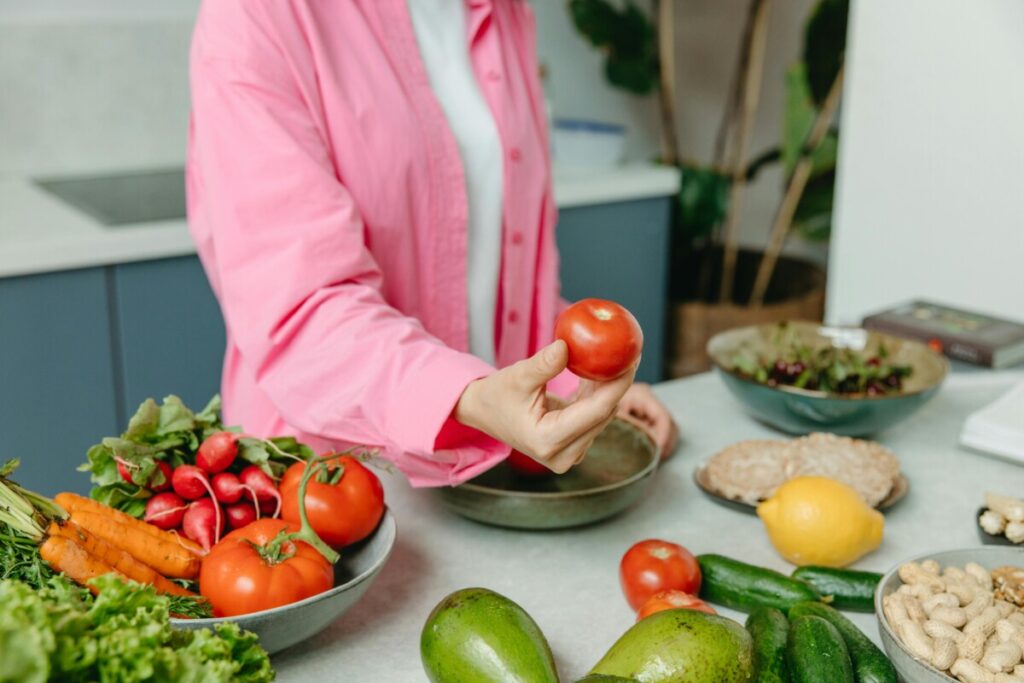
The DASH diet, or Dietary Approaches to Stop Hypertension, is a strategic eating plan aimed at preventing and treating high blood pressure (hypertension). It promotes a balanced diet that emphasizes essential nutrients while reducing unhealthy components. According to Dr. Rachel Johnson, a nutrition expert, “The DASH diet is not just a diet; it’s a lifestyle that encourages heart health through nutritious foods.”
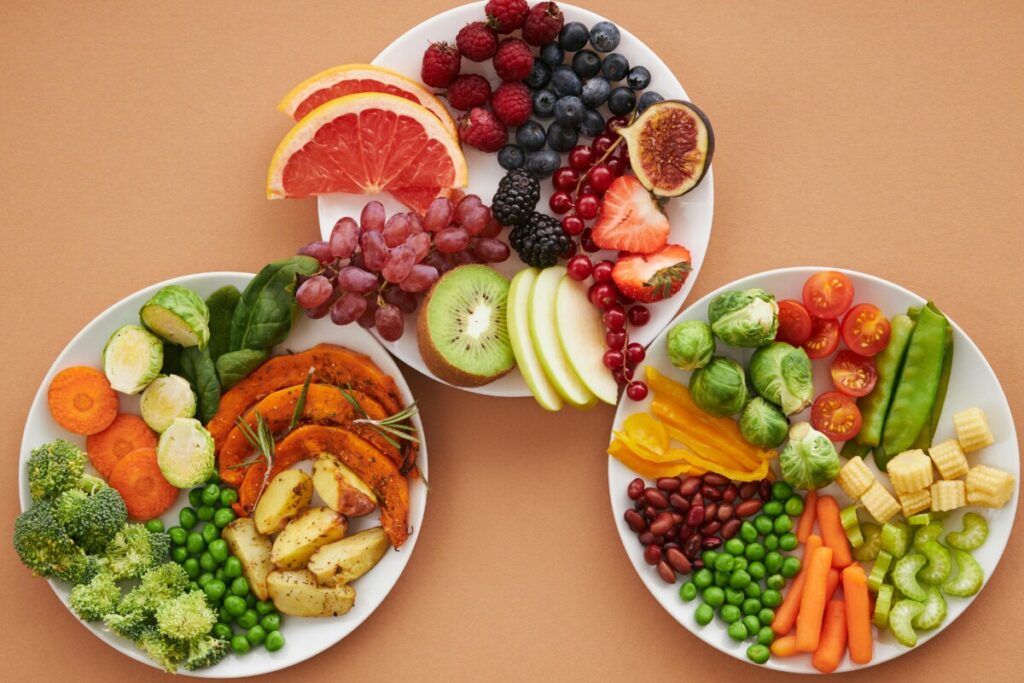
Managing blood pressure naturally is vital, as many individuals struggle to keep their levels under control. High blood pressure can lead to severe health complications, including heart disease and stroke. The DASH diet focuses on foods rich in potassium, calcium, and magnesium, while limiting sodium intake. Key components include fruits, vegetables, whole grains, lean proteins, and low-fat dairy products. This approach not only helps lower blood pressure but also supports overall heart health.
Core Components of the DASH Diet
affiliate link
Emphasis on Potassium-Rich Produce
Potassium-rich foods are crucial for managing high blood pressure. The typical American diet is often high in sodium but low in potassium, leading to elevated blood pressure levels. Increasing potassium intake can help reverse this imbalance. Foods like bananas, spinach, and sweet potatoes can significantly lower systolic blood pressure, making them essential in the DASH diet.
Inclusion of Low-Fat Dairy Products
The DASH diet also emphasizes the consumption of low-fat dairy products. It recommends 2 to 3 servings daily, providing calcium and essential nutrients that support healthy blood pressure. A serving includes 1 cup of milk or yogurt, or 1.5 ounces of cheese, all while keeping saturated fat intake low.
Importance of Whole Grains and Lean Proteins
Whole grains are integral to the DASH diet, offering fiber, B vitamins, and minerals that promote heart health. Incorporating lean proteins like poultry, fish, and legumes provides essential amino acids without excessive saturated fats. Together, these components help manage weight and support overall well-being.
| Food Group | Serving Size |
|---|---|
| Fruits and Vegetables | 4-5 servings each |
| Low-Fat Dairy | 2-3 servings |
| Whole Grains | 6-8 servings |
| Lean Proteins | 2 or fewer servings |
Creating Your 7-Day Meal Plan
Planning meals for the DASH diet can be a straightforward process when you follow some simple steps. Begin by focusing on whole foods, aiming to include plenty of fruits, vegetables, whole grains, and lean proteins. This helps reduce added sugars and unhealthy fats.
Each day should consist of breakfast, snacks, lunch, and dinner. Here’s a sample meal plan to guide you:
| Day | Breakfast | Lunch | Dinner |
|---|---|---|---|
| 1 | Egg Toast with Salsa | Veggie & Hummus Sandwich | Lemon-Herb Salmon with Caponata & Farro |
| 2 | Fig & Honey Yogurt | White Bean & Veggie Salad | Curried Cauliflower Steaks with Red Rice & Tzatziki |
| 3 | Peanut Butter-Banana Cinnamon Toast | Salmon Pita Sandwich | Chicken with Spinach & Tomato Orzo Salad |
To maintain portion control, consider using visual cues: a medium pepper equals one vegetable serving, while a fruit serving is about the size of a tennis ball. Include healthy snacks like fruits and nuts to help manage hunger and maintain energy levels. As one successful dieter said, “Meal planning has made my journey so much easier and enjoyable!”
affiliate link
Grocery Shopping Essentials
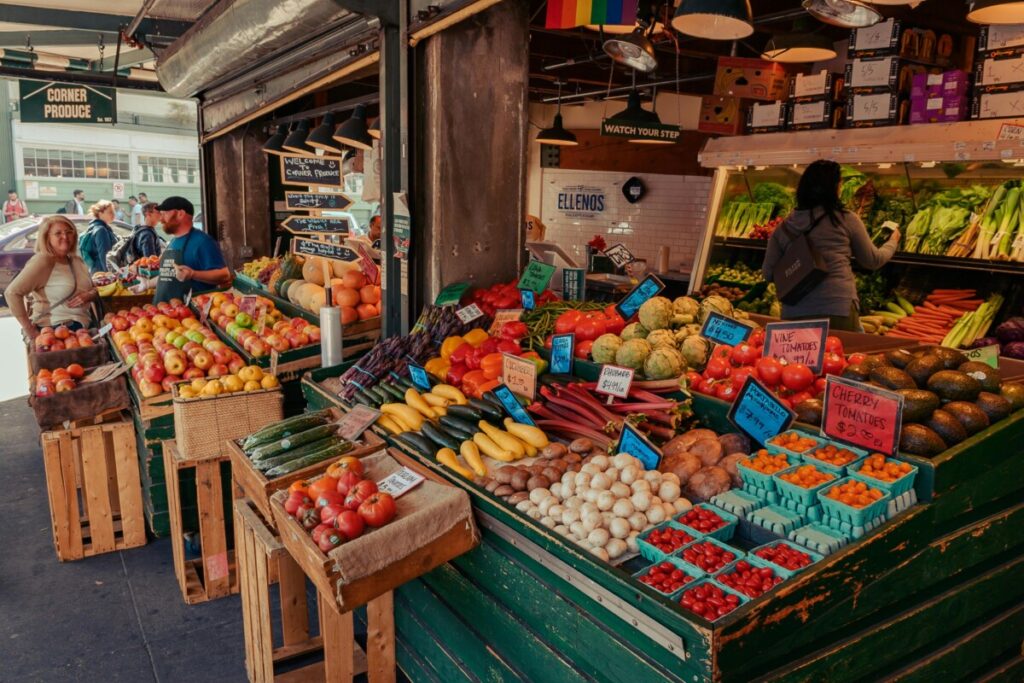
Shopping for the DASH diet can be both enjoyable and beneficial for your health. Start by creating a sodium-swap cheat sheet to help you identify low-sodium alternatives. This handy reference can help you make smarter choices while grocery shopping.
When stocking your kitchen, focus on potassium-rich foods. Here are some excellent options to consider:
Avocados
Sweet Potatoes
Dried Apricots
Coconut Water
White Beans
Additionally, keep these shopping tips in mind for fresh produce and whole grains:
Look for vibrant colors to ensure ripeness.
Check for firmness—soft produce may be spoiled.
Buy seasonal fruits and vegetables for better flavor.
Inspect for blemishes or mold.
For an organized shopping experience, don’t forget to download our grocery list PDF for easy access to these essentials.
Flavorful Cooking and Seasoning Hacks
When it comes to adhering to the DASH diet, flavor doesn’t have to take a backseat. By incorporating flavorful herbs and spices, you can enhance your meals without the need for added salt. Consider these excellent alternatives:
Garlic
Lemon Juice or Zest
Ground Black Pepper
Dill
Smoked Paprika
Coconut Aminos
Red Pepper Flakes
Utilizing cooking methods that maximize flavor without sodium is equally important. Techniques like adding acidity with citrus, harnessing umami from ingredients such as tomatoes and mushrooms, and experimenting with roasted garlic can elevate your dishes significantly.
“Flavor is essential in dieting; it keeps meals enjoyable and helps maintain adherence to healthier eating habits.”
To get you started, try these DASH-friendly recipes: Slow-Cooker Chicken & Chickpea Soup, Walnut-Rosemary Crusted Salmon, or Chickpea Pasta with Mushrooms & Kale. Each dish is designed to be flavorful, nutritious, and compliant with your dietary goals.
affiliate link
Dining Out on the DASH Diet
Dining out while following the DASH diet can be a challenge, but with the right strategies, you can enjoy meals without compromising your health goals. Start by selecting DASH-friendly options. When ordering, consider appetizers as main courses to control portions, and always add a side salad or vegetables to your meal.
Request modifications to suit your dietary needs. For example, ask for dressings on the side, skip fried foods, or choose broiled instead of fried items. As Izzy, a successful DASH dieter, shares, “I still enjoy my favorite foods but in moderation. It’s all about balance!” This approach emphasizes that you can savor your meals while adhering to the diet.
Be mindful of common restaurant dishes to avoid, such as fried appetizers, creamy sauces, and oversized portions. With thoughtful choices and clear communication with restaurant staff, you can dine out confidently while sticking to your DASH diet goals.
FAQs About the DASH Diet
What are common misconceptions about the DASH diet? Many believe the DASH diet is too restrictive. In reality, it emphasizes a variety of foods including fruits, vegetables, whole grains, and lean proteins. It’s about balance, not deprivation.
How can I maintain meal variety while following the DASH diet? You can enjoy a wide range of meals by experimenting with different fruits and vegetables. Incorporating herbs and spices can also enhance flavors without adding sodium. For instance, consider using seasoning hacks that align with DASH principles.
What are some tips for long-term adherence? Planning meals ahead of time and preparing snacks can help keep you on track. Engage with a community or support group to share experiences and recipes. As nutritionist Jane Doe says, “Consistency is key; make it a lifestyle, not a diet.” This mindset will aid in integrating DASH principles into your daily routine.
With these strategies, you’ll find the DASH diet not only beneficial for your health but also enjoyable and sustainable.
https://serenity7wellness.com/index.php/2025/11/06/5-effective-strategies-to-reduce-your-added-sugar-intake/
Conclusion and Next Steps
The DASH diet, or Dietary Approaches to Stop Hypertension, offers numerous benefits, particularly for those looking to lower their blood pressure naturally. By focusing on whole foods like fruits, vegetables, whole grains, and lean proteins, you can effectively manage your health while still enjoying delicious meals. This approach makes it easier to maintain a balanced diet without feeling deprived.
As you embark on your DASH journey, remember that each small step counts. Start by incorporating more potassium-rich foods into your meals and experimenting with flavorful herbs and spices. Each positive choice will bring you closer to achieving your health goals.
To help you on this path, we invite you to download our meal plans and resources. These tools are designed to make your transition smoother and more enjoyable. Take control of your health today—your heart will thank you!