Active Aging Programs: Are Key for Longevity
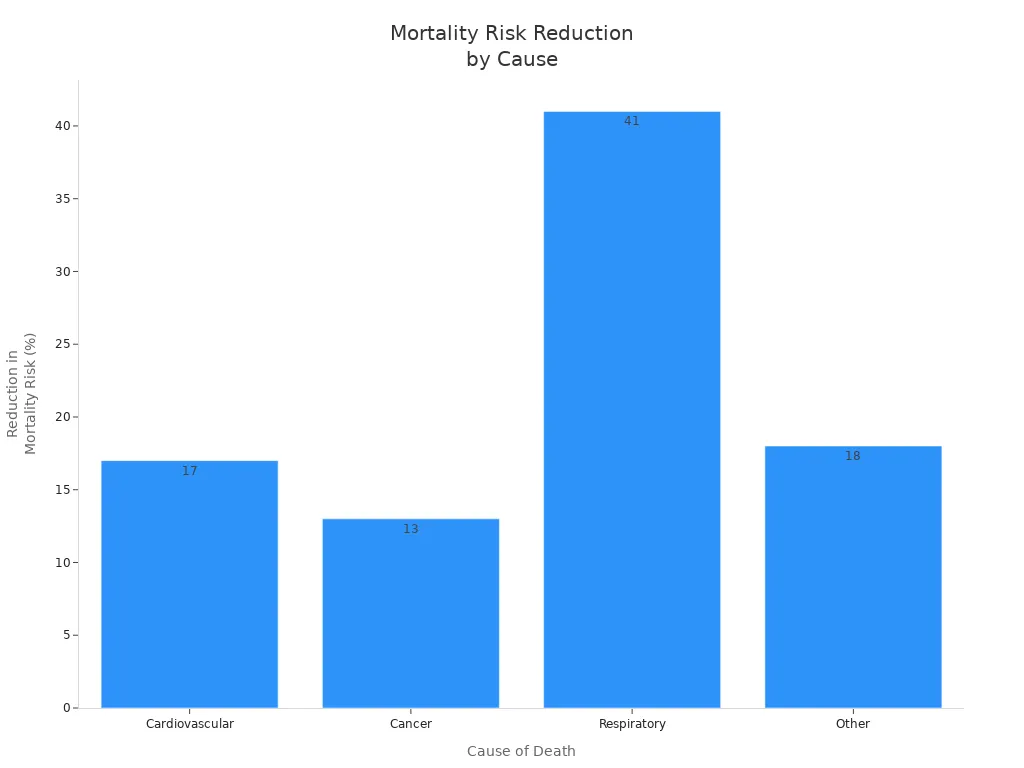
Staying active through strength, cardio, balance, and flexibility helps people support healthy aging and maintain independence. Each type of exercise works together to boost health, prevent falls, and keep the mind sharp. Studies show that active older adults are 67% less likely to die from any cause compared to inactive peers. The right mix of activities can lower the risk of heart, cancer, and respiratory deaths, as shown below:
| Cause of Death | Reduction in Mortality Risk |
|---|---|
| Cardiovascular | 17% |
| Cancer | 13% |
| Respiratory | 41% |
| Other | 18% |
People who join Active Aging Programs often enjoy better mobility, a lower risk of dementia, and more social engagement. A balanced routine supports healthy aging and helps people live life to the fullest.
https://jvz2.com/c/3417853/424681
Key Takeaways
Engaging in strength training at least twice a week helps maintain muscle and bone health, supporting independence as you age.
Regular cardio exercise strengthens the heart, lowers disease risk, and boosts overall energy, making daily activities easier.
Balance training reduces fall risk and builds confidence, allowing older adults to move safely and enjoy life.
Incorporating flexibility exercises into your routine improves joint health and mobility, helping you stay active and pain-free.
Creating a balanced exercise program that includes strength, cardio, balance, and flexibility can enhance your quality of life and promote longevity.
Strength and Aging
Muscle and Bone Health
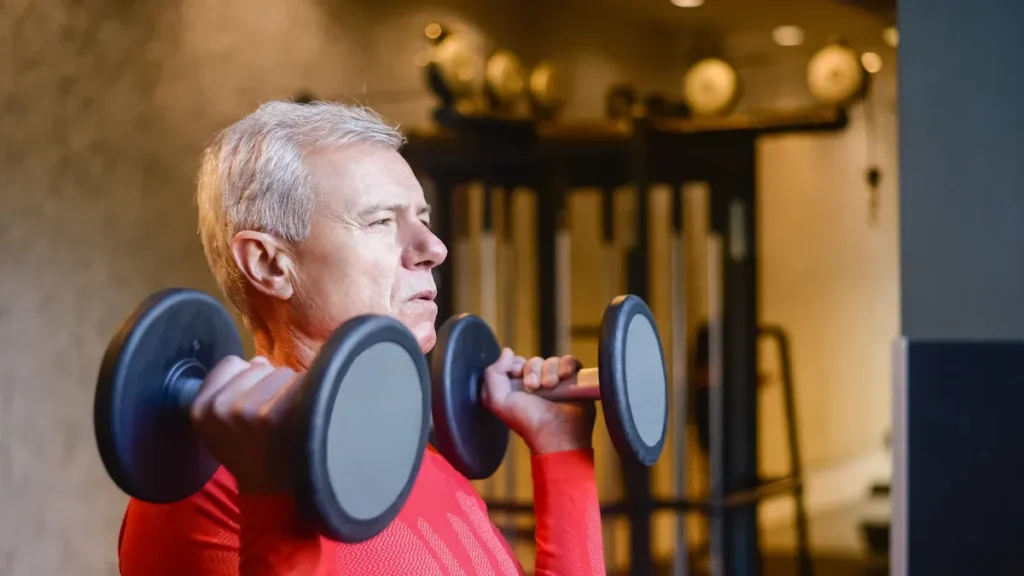
Strength training plays a big role in keeping muscle and bones strong as people get older. Many older adults lose muscle over time, which can lead to weakness and less mobility. A systematic review of studies with older women who had sarcopenia showed that resistance training helps improve muscle strength and physical function. This means people can stay active and do daily tasks more easily. Strength training also helps increase bone density. When someone lifts weights, the stress on bones tells the body to build them up. A review in the Journal of Orthopaedic Surgery and Research found that doing strength training three times a week can make bones stronger. People who skip regular strength training may face a higher risk of fractures and trouble moving around. For the best results, experts suggest combining walking, resistance training, and good nutrition.
Independence and Metabolic Benefits
Staying strong supports independence. People who keep their muscle can get up from chairs, carry groceries, and move around without help. Muscle also helps the body use energy better. Insulin moves glucose into muscle cells, and when muscles work well, the body controls blood sugar more easily. Muscle acts as a driver of metabolic flexibility, which means the body can switch between burning carbs and fat. Strength training leads to better glucose control and a higher resting metabolism. Healthy muscle mass helps the body manage glucose, which lowers the risk of diabetes and other health problems. Resistance training also increases how much glucose the body can store, improves insulin sensitivity for up to 48 hours, and supports healthy mitochondria.
Strength Exercise Tips
Experts recommend adults over 50 do strength training at least two days a week. Each major muscle group should get attention two or three times weekly. The CDC suggests at least 150 minutes of moderate activity per week, with strength training as a key part. People can use weights, resistance bands, or even their own body weight. Start slow and focus on good form. Over time, regular strength training helps with aging, supports health, and boosts longevity.
Cardio Exercise for Heart Health
https://jvz2.com/c/3417853/424673
Cardiovascular Benefits
Cardio exercise gives the heart a workout and helps it pump blood more efficiently. When people move more, their hearts get stronger and can handle daily activities with less effort. Regular cardio lowers the risk of heart disease and stroke. The American Heart Association and Cleveland Clinic both agree that staying active supports heart health and better circulation.
| Source | Findings |
|---|---|
| American Heart Association | Regular physical activity can significantly lower the risk of cardiovascular disease and stroke. |
| Cleveland Clinic | Exercise strengthens the heart, improves circulation, and supports overall cardiovascular health. |
People who keep up with cardio exercise also lower their risk for high blood pressure, type 2 diabetes, and even some cancers. Mortality from all causes drops by about 30% to 35% in people who stay active compared to those who do not.
A new study shows that even light activity, like walking or doing chores, can lower the risk of heart disease, diabetes, and early death in people with health conditions.
Aging adults who follow a regular cardio routine often see big improvements in their fitness. One study found that older adults who did a 12-week cycling program increased their heart fitness by a large amount. The key was sticking to the right intensity, not just showing up.
Low-Impact Cardio Options
Many people worry about joint pain as they get older. Low-impact cardio options protect the joints while still giving the heart a boost. Some great choices include:
Cycling, which supports body weight and puts little stress on joints
Walking, which helps the heart and muscles without pounding the knees
Elliptical machines, which mimic running but protect the hips and ankles
Swimming or water aerobics, which have almost no impact and work many muscles
Yoga and Pilates, which build core strength and balance with gentle moves
Rowing, which gives a full-body workout and improves posture
These activities help people stay active without risking injury or pain.
Endurance and Longevity
Building endurance through cardio exercise helps people keep up with daily life and enjoy hobbies. A strong heart and lungs mean more energy for family, travel, and fun. Cardio also supports longevity by lowering the risk of many diseases. People who make cardio a habit often feel younger and more independent as they age.
Balance and Injury Prevention
Fall Risk and Stability
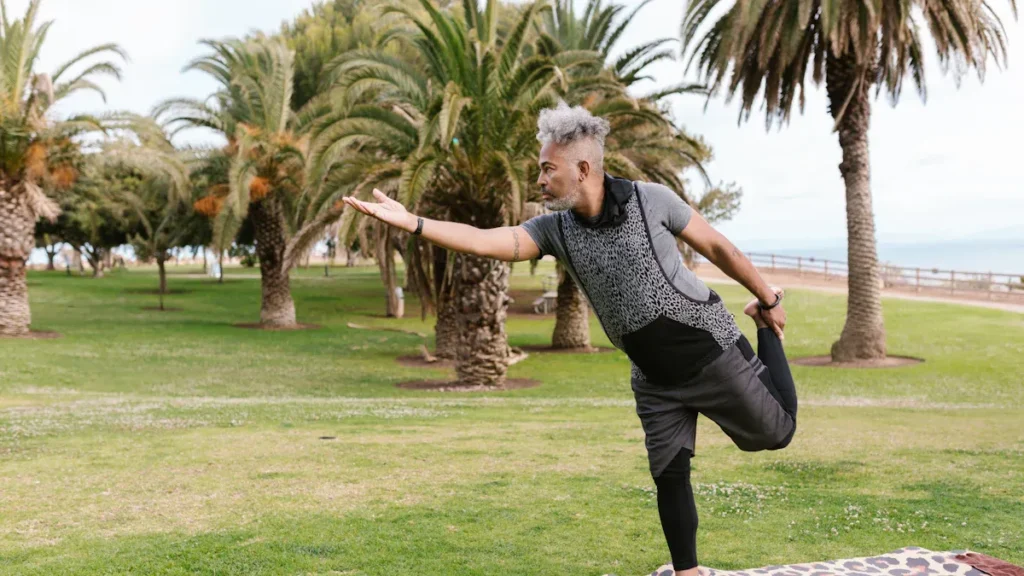
Balance training helps older adults stay steady and avoid falls. Many people lose lower-limb strength as they age, which makes it harder to move safely. Task-oriented training improves balance and gait, as shown by better scores on the Berg Balance Scale and Timed Up and Go test. These improvements mean people can walk and stand with more confidence. Task-oriented training works better than traditional methods for stability and injury prevention.
Age-related decline in lower-limb strength is a major determinant of mobility loss and fall risk among older adults. As neuromuscular coordination and torque capacity deteriorate with aging, the body often recruits compensatory strategies to maintain postural control and movement feasibility. One such strategy involves the use of the upper limbs to provide mechanical assistance during rising or balance tasks.
As lower-limb muscles weaken, the nervous system may reallocate mechanical effort toward the arms to generate supplemental vertical ground-reaction force (GRF), thereby reducing the mechanical demand on the lower extremities. This reliance on assistive upper-limb loading could reflect a quantifiable manifestation of diminished neuromechanical capacity.
Balance training counters these changes and helps prevent injury by keeping the body strong and coordinated.
Balance Exercise Ideas
Many exercises help with injury prevention and stability. People can try:
Tai chi and yoga: These activities improve flexibility, posture, and body awareness.
Physical therapy routines: Tailored exercises strengthen the core, legs, and ankles.
Simple at-home drills: Heel-to-toe walking, chair stands, and single-leg balances boost stability and confidence.
These exercises fit into daily routines and support preventing injury.
Confidence in Movement
Balance training does more than protect the body. It also builds confidence. After a fall, many older adults feel less sure about their ability to move safely. This fear can lead to avoiding activities and losing strength. Research shows that balance confidence affects how people respond to their own limitations. When they feel confident, they stay active and enjoy life. Injury prevention starts with believing in the body’s ability to move and recover.
Flexibility and Mobility for Active Aging
https://jvz2.com/c/3417853/424419
Joint Health and Mobility
People often notice stiff joints as they age. Stretching helps relieve that stiffness and supports better movement. Experts suggest dynamic stretching before workouts and static stretching afterward. Many older adults find that five to ten minutes of stretching in the morning can loosen up tight hips, shoulders, and backs. Daily stretching can help prevent pain and keep joints healthy over time. Flexibility and mobility are not the same, but both are important for moving with ease. Some exercises target both, making it easier to stay active and independent.
Tip: Try a short stretching routine each morning. It can make a big difference in how joints feel all day.
Injury Prevention
Maintaining flexibility and mobility lowers the risk of injuries. High-certainty research shows that mobility training improves how well people move. These benefits last for months. People who focus on mobility training are 40% less likely to fall and much less likely to get hurt from falls. Muscle-strengthening activities also play a role in protecting joints and keeping the body stable. When combined with stretching, these activities help older adults stay safe and active.
Flexibility Exercise Routines
Many routines can improve flexibility and mobility. Here are some simple options:
| Exercise Name | Description |
|---|---|
| Seated Abdominal Bracing | Sit upright, tighten stomach muscles, hold for 5–10 seconds, repeat 5–10 times. |
| Pelvic Tilts (Lying Down) | Lie on back, flatten lower back, relax, repeat 10 times. |
| Standing Weight Shifts | Shift weight from one foot to another while keeping torso upright. |
| Chin Tucks | Pull chin back while sitting or standing, hold for 3–5 seconds, repeat 5–10 times. |
| Chest Opening Stretch | Squeeze shoulder blades together, hold for 10–20 seconds while breathing deeply. |
| Thoracic Extension (Chair-Based) | Arch upper back over chair back, keep movement slow and comfortable. |
| Hip Flexor Stretch (Supported) | Step one foot back, bend front knee, keep chest upright. |
| Ankle and Knee Range-of-Motion | Perform ankle circles and knee bends while seated to improve alignment and balance. |
Active aging programs often include muscle-strengthening activities, stretching, and balance work. These programs focus on joint mobility and posture, which help people stay flexible and confident. Water-based fitness and chair yoga also support flexibility without stressing the joints. By adding these routines, older adults can enjoy more freedom and less pain every day.
Integrating Exercise for Healthy Aging
Building an Active Aging Program
Active aging programs help older adults combine strength, cardio, balance, and flexibility into a routine that supports wellness and longevity. Many people start by consulting their doctor to make sure their activity plan fits their health needs. Setting realistic goals keeps motivation high and prevents burnout. They often choose activities they enjoy, like walking, swimming, or yoga, which makes sticking to the program easier. Listening to the body and taking breaks when needed protects safety and encourages progress.
A weekly routine might look like this:
Strength training two or three times a week for functional fitness and bone health.
Cardio activity, such as brisk walking or cycling, for at least 150 minutes each week.
Balance exercises, like tai chi or heel-to-toe walking, several times weekly.
Flexibility training, including stretching or chair yoga, most days.
Nutrition and hydration play a big role in wellness. Many active aging programs include guidance on healthy eating to support training and recovery. Technology can help track fitness and activity. Smart wearables monitor heart rate, fitness tracking apps record progress, and voice-activated assistants remind people about workouts and medication. These tools make it easier to stay consistent and safe.
Tip: Customizing the program based on interests, mobility, and social preferences helps people stay engaged and enjoy their activities.
Daily Exercise Habits
Building daily exercise habits leads to better health and independence. Short walks of 10-20 minutes improve blood pressure, circulation, and blood sugar. Consistency matters more than intensity. Many doctors recommend starting with five to ten minutes of walking and slowly increasing the duration. Mixing different activities lowers mortality risk and supports wellness.
| Key Findings | Details |
|---|---|
| Exercise Variety | A mix of activities lowers mortality risk by 19%. |
| Health Benefits | Diverse routines reduce disease risk by up to 41%. |
| Recommended Activity | Three hours of vigorous or six hours of moderate activity per week is best. |
People face barriers like scheduling conflicts, fear of falling, or lack of exercise knowledge. Flexible scheduling, supervised sessions, and tailored education help overcome these challenges. Active aging programs focus on safety and support, making it easier for everyone to join and benefit. Training, nutrition, and wellness work together to build a strong foundation for lifelong fitness.
Staying active with strength, cardio, balance, and flexibility exercises supports overall health and long-term health. Studies show that multicomponent routines boost muscle strength, mobility, and balance.
| Exercise Component | Benefits |
|---|---|
| Endurance | Strengthens heart and lungs, increases stamina, helps manage weight, reduces risk of heart disease and stroke, boosts brain health. |
| Strength | Counteracts muscle loss, improves bone density, boosts metabolism, enhances balance and stability. |
| Balance | Builds confidence, strengthens stability muscles, improves reaction time, sharpens body awareness. |
| Flexibility | Maintains range of motion, reduces stiffness, aids in performing daily tasks with ease. |
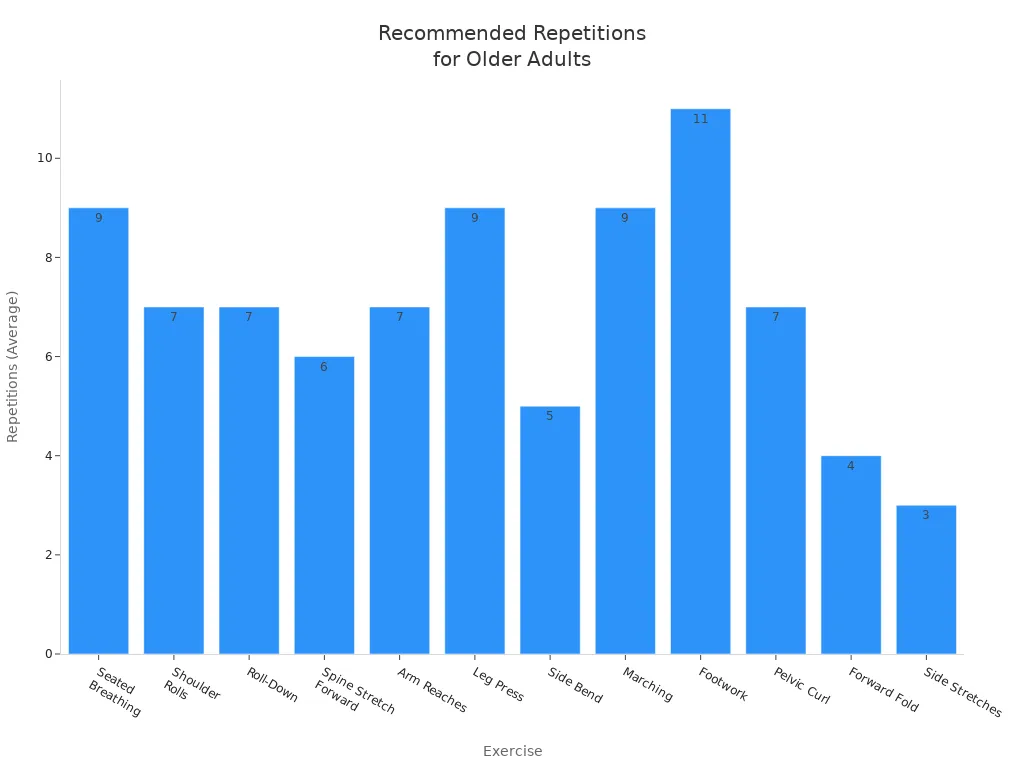
People can start small—try seated breathing, gentle stretches, or standing on one foot. They should talk with healthcare professionals or fitness experts to create a safe plan that fits their needs.
FAQ
What is the best way to prevent injury while exercising as you age?
People can lower their risk of injury by warming up, using proper form, and starting slow. They should listen to their bodies. Rest days help muscles recover. Good shoes and safe spaces also make a big difference.
How do balance and flexibility exercises help with injury prevention?
Balance and flexibility exercises train the body to move safely. They improve joint range and stability. This makes falls less likely. When people practice these skills, they react faster and avoid injury during daily activities.
Can someone recover from an injury and still stay active?
Yes, many people return to activity after an injury. They should follow a doctor’s advice and start with gentle movements. Physical therapy helps rebuild strength. Staying active supports healing and prevents future injury.
How often should older adults do balance and flexibility exercises?
Experts suggest practicing balance and flexibility at least three times a week. Regular sessions keep joints healthy and lower the risk of injury. These exercises fit into daily routines and support long-term independence.
What should someone do if they feel pain or suspect an injury during exercise?
If someone feels pain or suspects an injury, they should stop right away. Rest and ice can help. If pain continues, they need to see a healthcare provider. Ignoring pain can make an injury worse.
Conclusion
In conclusion, active aging programs play a pivotal role in enhancing longevity and improving the quality of life for individuals as they age. By fostering physical, mental, and social engagement, these programs empower older adults to maintain their independence and vitality. As the global population ages, the demand for comprehensive and accessible active aging initiatives will continue to grow. Embracing these programs not only benefits individuals but also contributes to healthier communities and reduces healthcare costs. It is essential for policymakers, healthcare providers, and society at large to prioritize and invest in strategies that support active aging, ensuring a brighter and more fulfilling future for all.