The Third Place Revival and Its Impact on Gen Z’s Well-Being
The “Third Place” Revival speaks to a real need among young people. Many in Gen Z crave authentic, grounding experiences outside of home and work. Recent studies reveal a startling trend: 67% of Gen Z is classified as lonely, highlighting how much they seek real connections. Why does the “Third Place” Revival matter so much?
Key Takeaways
https://jvz2.com/c/3417853/423307
Gen Z seeks authentic connections and experiences outside of home and work, highlighting the importance of third places for social interaction.
Physical third spaces, like libraries and coffee shops, help combat loneliness by providing informal settings for community building and social engagement.
Everyone can contribute to revitalizing third places by creating welcoming environments that encourage connection and inclusivity.
The “Third Place” Revival and Gen Z
Why the Revival Matters Now
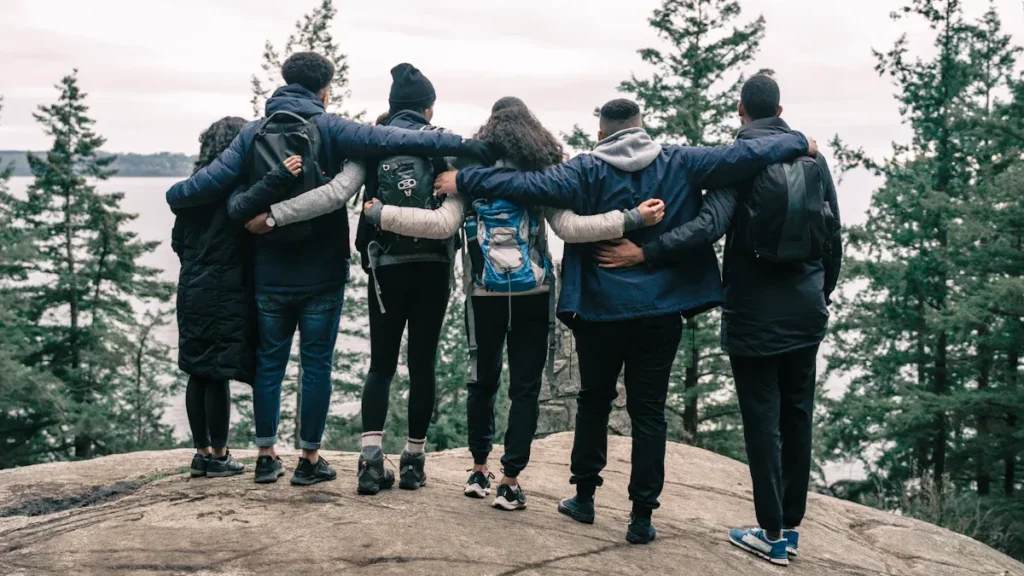
The “third place” revival has become a movement, especially among Gen Z. Many young people feel overwhelmed by digital life and crave real-world connections. After the COVID-19 pandemic, the need for physical social spaces became even clearer. People want more than just products—they want experiences and engagement.
Stephanie Hanus, a doctoral candidate, shared, “We know that social support is really important for how individuals age, socially, biologically… that’s going to influence the agency.”
Shopping malls, once seen as outdated, now attract Gen Z because they offer both a place to hang out and a chance to share moments on social media. Malls have started to adapt, blending traditional social experiences with modern trends. Recent surveys show that 76% of global Gen Z shoppers believe brick-and-mortar stores provide a more enjoyable shopping experience than online shopping. In fact, 64% of Gen Zers prefer shopping in-store, valuing the experience itself.
The COVID-19 pandemic highlighted the importance of physical social spaces for connection.
Consumers are seeking experiences and engagement rather than just products.
Authenticity and Grounding for Gen Z
Gen Z values authenticity and wants spaces that reflect their beliefs. They look for places where actions match words and where trust feels real. Many expect organizations to take real steps on issues like diversity, equity, and sustainability.
Generation Z prioritizes authenticity, ethical behavior, and consistency between stated values and actual actions.
Trust is essential for engagement and loyalty, as Gen Z seeks environments that reflect their values.
They expect organizations to take action on issues like diversity, equity, inclusion, and environmental sustainability, rather than just making statements.
Third places, such as cafés, coworking spaces, libraries, and outdoor areas, give Gen Z a sense of belonging. These third spaces offer emotional support and companionship, helping young people feel grounded and less isolated. In cities, coffee shops and similar spots are easy to find, but in rural areas, access can be limited, which shapes how Gen Z forms community.
Defining Third Place and Third Spaces
https://jvz2.com/c/3417853/415010
Oldenburg’s Concept Simplified
Sociologist Ray Oldenburg introduced the idea of the “third place” as a spot that sits between home and work. He believed these places help people connect, relax, and build community. Third places welcome everyone, no matter their background. They encourage friendly conversation and make it easy for people to come and go.
Here are the core elements of Oldenburg’s third place concept:
| Core Element | Description |
|---|---|
| Neutral ground | Anyone can join or leave conversations easily. |
| Leveler | Welcomes all, promoting interaction among different groups. |
| Engaging Conversation | Focuses on dialogue and shared interests. |
| Accessibility and accommodation | Open at various times for spontaneous visits. |
| Regulars | Frequent visitors shape the place’s character. |
| Low profile | Simple decor, no need to impress anyone. |
| Playful mood | Encourages fun and a relaxed, home-like vibe. |
Across cultures, third places look different. Ancient Greek agoras, Chinese teahouses, and European coffeehouses all served as gathering spots for conversation and community.
Key Features of Third Spaces
Third spaces stand out because they are informal, public, and separate from home or work. People use them to meet others, share ideas, and feel like they belong. Urban sociologists say these spaces help build stronger communities.
| Characteristic | Description |
|---|---|
| Personalization | Unique look that shows care and ownership. |
| Permeability | Open and inviting, letting people see inside from the street. |
| Seating Provision | Plenty of places to sit and talk. |
| Shelter Provision | Covered areas for comfort in any weather. |
“Gen Z is craving these spaces… The reason Gen Z consumers are craving such spaces fits the broader trend of a growing desire for more connection… With Gen Z, having grown up with tech and everything being frictionless, that becomes boring and not special.”
Third spaces give people a sense of belonging and make city life feel more personal. They offer a break from screens and a chance to connect face-to-face.
Why Third Places Matter for Gen Z
https://jvz2.com/c/3417853/416015
Combating Loneliness and Isolation
Many young people today feel alone, even when surrounded by others. Gen Z, often called digital natives, spends much of their time online. Still, they crave real-life connections and a sense of community. The third place revival responds to this need by offering accessible spaces for connection that go beyond home and work. These spots become a home away from home, where everyone can relax and be themselves.
Studies show that 69% of Gen Z feels technology has increased their sense of isolation. They want more than just digital chats—they want face-to-face interaction and deeper social connections.
Third places, like libraries, coffee shops, and parks, act as a hub for socializing. They provide informal spaces for social interaction, which helps fight loneliness. People can meet friends, join group activities, or just enjoy the presence of others. These communal spaces support social connectedness and make offline life more vibrant.
Third places offer informal settings for social interaction, helping Gen Z build community and reduce feelings of isolation.
Libraries stand out as a classic example, giving everyone free access to culture and socialization without needing to spend money.
The pandemic made it clear that people need community and togetherness, highlighting the importance of offline places to hang out.
When young people gather in these social environments, they find comfort and support. The third place revival gives Gen Z a chance to step away from screens and experience a vibrant social experience in person.
Building Community and Belonging
A strong sense of belonging starts with real connections. Third spaces help Gen Z build community by bringing people together in relaxed, welcoming settings. These places encourage social interaction and foster a spirit of togetherness.
Gen Z seeks out community-oriented experiences that feel genuine. They want to meet others who share their interests and values. Third places make this possible by acting as a hub for socializing and fostering connections. People can join clubs, attend events, or simply chat with regulars. This helps everyone feel included and valued.
Gen Z is looking for offline opportunities to engage with others, showing a clear desire for real-life community involvement.
Third places provide accessible spaces for connection, where social interaction happens naturally.
These environments support socialization and help people develop important social skills and networks.
91% of Gen Z professionals believe in-person events are crucial for building social and interpersonal skills.
Shopping centers, once just for buying things, now serve as vibrant social environments. They have become experiential destinations where face-to-face interaction is the main draw. People come not just to shop, but to connect, share stories, and build lasting relationships.
The pandemic reminded everyone how much they need community. Third places play a key role in fostering connections and helping Gen Z feel like they belong.
In these communal spaces, Gen Z finds more than just a place to hang out. They discover a sense of belonging and a network of support. Third places help them build community, develop social skills, and enjoy a richer, more connected offline life.
The Decline of Traditional Third Places
Causes and Consequences
Many people have noticed fewer places to gather in their neighborhoods. The classic American main street has changed a lot. Since 2011, many local shops and community centers have closed. This trend is sometimes called the “retail apocalypse.” Several reasons explain why this happened:
Many malls were built, but not all could survive.
Rents for stores kept rising, making it hard for small businesses to stay open.
The Great Recession left lasting effects on local economies.
Online shopping became more popular, so fewer people visited stores in person.
Some big retail chains struggled with debt and had to close locations.
Even though there are more restaurants now, other important community spots like recreation centers and grocery stores have disappeared. Modern neighborhoods often have private yards and garages instead of shared spaces. Suburban life and car culture make it harder for people to meet their neighbors. As a result, people spend less time together. For example:
Time spent with friends in person dropped 37% from 2014 to 2019.
By 2020, Americans spent only about 20 minutes a day with friends, compared to 60 minutes two decades earlier.
Young people aged 15-24 saw a 70% drop in time spent with friends.
Impact on Social Fabric and Mental Health
The loss of the third place has changed how people connect. When fewer gathering spots exist, communities become weaker. People feel more alone. The U.S. Surgeon General warned that loneliness can harm health as much as smoking 15 cigarettes a day. More people live alone now than ever before, which makes it harder to build strong bonds.
Here is a look at what happens when third places disappear:
| Consequence | Description |
|---|---|
| Increased Mental Illness | Less social time leads to more mental health problems for all age groups. |
| Fragmented Social Landscape | People have fewer chances to meet and connect, so communities feel divided. |
| Reduced Economic Activity | Local businesses lose customers and loyalty without community hubs. |
| Stifled Civic Engagement | Fewer social spaces mean less involvement in local events and decisions. |
Gen Z feels these changes deeply. They want real connections, but the decline of the third place makes it harder to find them. Many young people now look for new ways to gather and support each other.
Third Spaces: Online vs. Offline for Gen Z
Digital Third Places and Their Limits
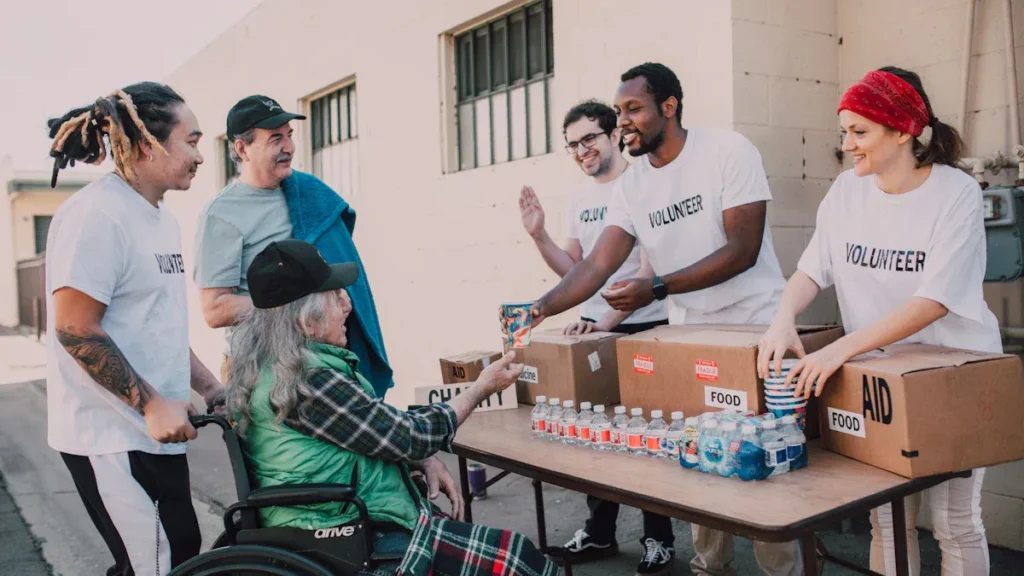
Many young people spend hours in online spaces. These digital hangouts offer convenience and instant access. Still, they come with real limits. People often find themselves together but alone, each focused on their own screen. This “alone together” feeling can make it hard to build true friendships.
Here is a look at some common limits of digital third places:
| Limitation | Explanation |
|---|---|
| Technology’s Presence | The reliance on digital tools challenges spontaneity and face-to-face interactions in third places. |
| Alone Together Phenomenon | Individuals may share a space but remain isolated in their own digital worlds, limiting meaningful interactions. |
| Digital Divides and Inequality | Not everyone has equal access to technology, risking exclusion from tech-enabled third places. |
| Transactional Atmosphere | The focus on accommodating remote workers can make third places less welcoming for casual visitors. |
Online spaces also shape how people interact. Some enjoy the control and easy access. Others miss the depth and value of in-person talks.
| Theme | Description |
|---|---|
| Features and Affordances of Online Contexts | Includes aspects like control, non-verbal cues, and accessibility that shape online interactions. |
| Nature of Interactions | Encompasses depth, intimacy, and perceived value of interactions in both online and offline settings. |
Unique Benefits of Physical Third Spaces
Physical third spaces offer something special. People can just be themselves without buying anything or proving why they are there.
“They are one of the only places where you can ‘just be’ without needing to buy something, or prove, literally or symbolically, why you are there.”
These places help people connect on a deeper level. They bring together those with shared interests and create real bonds.
“By focusing on specific interests and groups, they foster deeper and more purposeful connections.”
Meeting face-to-face can feel risky. People show their true selves and open up to others. This helps build trust and community.
“It creates a sense of vulnerability to put yourself out there and be perceived and judged by others who you’re just trying to build community with.”
Physical third places give gen z a chance to step away from screens. They can enjoy real conversations and form lasting friendships.
Examples and Barriers in Third Place Access
Modern Third Place Success Stories
Gen Z finds creative ways to build community in today’s world. Many young people join supper clubs, where they share meals and stories. Curated coffee meet-ups bring together those who love good conversation and a cozy atmosphere. Crafting events let people express themselves and learn new skills. Book-reading gatherings attract those who want to discuss ideas and connect over shared interests. Run-clubs help people stay active while making new friends. Street-skating groups offer a sense of adventure and belonging. These third spaces examples show how Gen Z creates meaningful connections outside of home and work.
People often say, “It feels good to find a place where you can just show up and be yourself.” These modern third places give everyone a chance to belong.
Barriers to Access and Inclusivity
Not everyone finds it easy to join these spaces. Marginalized groups face unique challenges. Some policies do not consider their needs. Others feel left out because of limited access or lack of representation. Communities work to break down these barriers using different strategies.
| Strategy | Description |
|---|---|
| Tailored Approaches | Policies should fit the challenges faced by marginalized groups. |
| Inclusive Policies | Make sure everyone can access online education and resources. |
| Flexible Assessment Methods | Use different ways to recognize students’ social positions. |
People also use the socio-ecological model to spot barriers at different levels. Community-driven strategies help make spaces more welcoming. Participatory governance lets everyone have a voice in decisions. Here are some steps that help:
Ensure anonymity and confidentiality for adolescents.
Build relationships with young people and community members.
Protect well-being by letting individuals control their personal data.
When communities listen and adapt, more people feel safe and included in third places.
Revitalizing Third Places for Gen Z
Role of Businesses and Urban Design
Businesses and urban designers play a big part in making third places that attract Gen Z. They see that young people want more than just a place to shop. They want a home away from home where they can build connections and feel a sense of social connectedness. Here are some ways businesses and designers can help:
Three out of five Gen Z shoppers visit stores not just to buy, but to belong.
Young people look for connection, authenticity, and spaces full of culture.
Malls can become social destinations by adding cultural events and unique programs.
Libraries also show how urban spaces can change. A 2023 report from the American Library Association found that Gen Z is rediscovering local libraries as informal gathering spots.
| Evidence Type | Description |
|---|---|
| Report Source | 2023 report from the American Library Association |
| Gen Z Engagement | Younger patrons, especially Gen Z, are rediscovering local libraries as informal gathering spaces. |
| Comparison | Gen Z prefers libraries over school libraries due to the lack of pressure and structured activities. |
“Coffee shops get so crowded, and you have to spend money to be there, but libraries are open for everyone. There’s a lot less pressure to be doing something in the public library. No one’s going to judge you.” – Anika Neumeyer, 19-year-old English student
Community Action and Grassroots Efforts
Grassroots efforts bring people together and help rebuild community. They focus on making everyone feel welcome and encourage social interaction outside of home and work.
“The reason that I’ve gotten back into organizing is I feel we’ve lost a huge sense of community in society. Who else do you look to for help other than a neighbor? It needs to be a community effort to help change something in the community,” she said.
Grassroots groups focus on inclusivity and engagement.
They create spaces that encourage social interaction.
Community-building gives people purpose and meets real needs.
These efforts show a new direction. People are building community in the real world, and the momentum keeps growing.
How Readers Can Support Third Places
Anyone can help create or support third spaces in their neighborhood. Here are some simple steps:
Choose a convenient location that people can reach easily.
Provide comfortable amenities like different seating and flexible furniture.
Facilitate conversations by offering free and unlimited wi-fi.
Engage the community in planning and events to make sure the space fits their needs.
When people work together, they can make third places that help everyone feel welcome and connected.
The third place revival gives Gen Z a chance to build real community and improve well-being. Many young adults report loneliness, but parks and gathering spots help everyone feel included. Experts predict third places will become more interactive, supporting younger generations. People can shape these spaces by joining, supporting, or creating community hubs.
Experts believe third places will evolve into engaging, multifunctional environments that reflect the needs of younger generations.
FAQ
What makes third places important for Gen Z?
They give young people a spot to meet friends, relax, and feel part of a community. These spaces help reduce loneliness and boost well-being.
Can online spaces replace in-person third places?
Online spaces help people connect, but they cannot fully replace face-to-face interaction. In-person third places offer deeper connections and a stronger sense of belonging.
How can someone find or create a third place?
They can look for local libraries, coffee shops, or parks. Starting a club or hosting events also helps build a welcoming space for everyone.
Conclusion
In conclusion, the revival of the “Third Place” concept offers a promising opportunity for communities to reconnect and thrive in an increasingly digital world. By embracing spaces that encourage social interaction, creativity, and collaboration, individuals can experience a renewed sense of belonging and connection. These environments serve not only as physical locations but also as catalysts for personal and professional growth, providing avenues for lifelong learning and skill development. As society continues to evolve, the importance of fostering such communal spaces becomes ever more apparent, ensuring that they remain integral to our daily lives and contribute positively to our overall well-being.