Survival Skills for Suburbia Living
Every family can feel confident about preparedness. They can start small and build habits that last. > He knows that Survival Skills for Suburbia do not need to feel overwhelming. She sees that a few simple steps can make emergencies less scary. They work together and stay safe.
https://jvz3.com/c/3417853/408801
Key Takeaways
Identify local risks to your family. Understand common emergencies in your area, such as severe storms or power outages, to prepare effectively.
Practice survival skills regularly. Engage your family in drills for first aid, cooking without power, and navigation to build confidence and readiness.
Create a strong communication plan. List emergency contacts and practice how to receive alerts, ensuring everyone knows what to do during a disaster.
Suburban Survival Guide: Know Your Risks
Common Emergencies in Suburbia
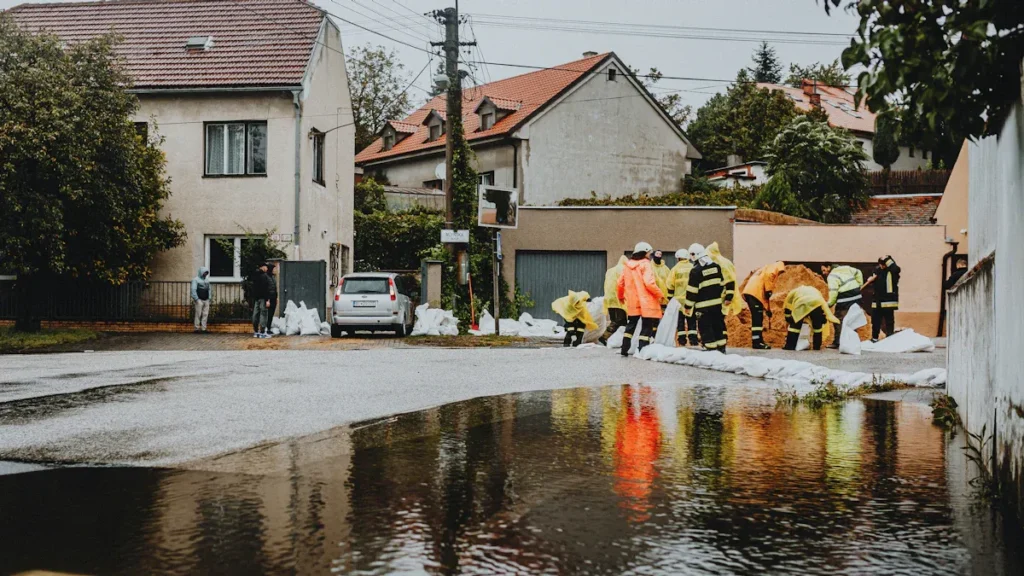
Every family wants to feel safe, but emergencies can happen anywhere. The suburban survival guide helps families spot the risks that matter most in their neighborhoods. He might worry about a natural disaster, while she thinks about power outages or fires. They both know that survival preparedness starts with understanding what could go wrong.
Suburban areas see a moderate number of emergency calls. They do not face as many emergencies as cities, but they get more calls than rural places. Here’s how the numbers break down:
Urban areas: highest emergency calls and fastest response times
Suburban areas: moderate emergency calls and average response times
Rural areas: fewest calls and slowest response times
The suburban survival guide points out that families should prepare for:
Severe storms and flooding
Power outages
House fires
Medical emergencies
Chemical spills or accidents
Tip: Local governments often offer resources like Community Emergency Response Teams (CERT), tax breaks for storm-resistant upgrades, and partnerships with schools or nonprofits. These can boost survival preparedness for every household.
Assessing Family Needs
https://jvz3.com/c/3417853/415009
No two families are the same. The suburban survival guide encourages everyone to look at their unique situation. Survival preparedness means thinking about what each person needs to stay safe during a disaster.
Families should consider:
Home preparedness and security measures
Water security for drinking and cleaning
Evacuation plans that everyone understands
Community ties for extra support
Mindset drills to practice staying calm
He checks the family’s supplies. She talks to neighbors about a neighborhood plan. They both know that survival preparedness is not just about supplies—it’s about people working together. The suburban survival guide reminds families that regular practice and strong community connections make a big difference when disaster strikes.
Survival Skills for Suburbia
Families in suburban neighborhoods often wonder which survival skills for suburbia matter most. He wants to know how to keep his family safe if the power goes out. She thinks about what to do if someone gets hurt or lost. They all benefit from learning practical skills that work in their own homes and yards.
Essential Skills: Fire, Shelter, First Aid
Survival skills for suburbia start with the basics. He learns how to treat minor injuries with basic first aid. She practices cooking without power using a camping stove. They both study maps so they can find their way if GPS fails. These skills help families feel ready for anything.
Here are the top survival skills for suburbia every family should know:
Basic first aid for cuts, burns, and sprains
Cooking without power using grills or stoves
Navigation skills with paper maps
Personal safety and self-defense
Children can learn these skills too. The best way to teach them is to make learning fun and hands-on. He sets up a family skill challenge day. She plans a backyard camping night to practice fire safety and shelter building. They all join in and build confidence together.
| Age Group | Skills to Learn |
|---|---|
| Ages 5-7 | Fire safety basics, whistle signals, staying put if lost |
| Ages 8-12 | Supervised fire-building, shelter construction, map reading, water purification |
| Ages 13+ | All skills including knife safety, navigation independence, first aid |
Tip: Frame survival skills for suburbia as family traditions. Quarterly skill days and annual camping trips help everyone stay sharp and calm during emergencies.
He sees that survival skills for suburbia are not just theory. She knows that fire-making, shelter-building, and first aid can save lives in real emergencies like storms or accidents. They practice together and make these skills part of their routine.
Practical Wilderness Techniques at Home
https://jvz2.com/c/3417853/423305
Some families think wilderness survival only matters in the woods. He discovers that many wilderness techniques work right at home. She memorizes key routes in their neighborhood, just like hikers do in the wild. They keep a map handy for backup.
Survival skills for suburbia include adapting wilderness know-how to everyday life:
Navigation: Memorize local streets and landmarks. Keep a map for alternate routes.
Shelter building: Identify safe places like garages or sturdy vehicles for temporary shelter.
Situational awareness: Stay alert to changes in weather, power outages, or suspicious activity.
Medical know-how: Learn to stabilize fractures and recognize shock, just as you would in the wild.
He teaches his kids to spot safe places if they need shelter. She practices first aid with her family so everyone knows what to do. They all work on situational awareness, watching for anything unusual in their surroundings.
Note: Survival skills for suburbia grow stronger with practice. Families who train together build trust and stay calm when emergencies happen.
Survival in suburbia means blending practical skills with everyday routines. He sets up regular drills. She reviews their supplies and updates their plan. They all know that survival skills for suburbia help them face challenges with confidence.
Emergency Supplies and Go-Bag
Food, Water, and Power Basics
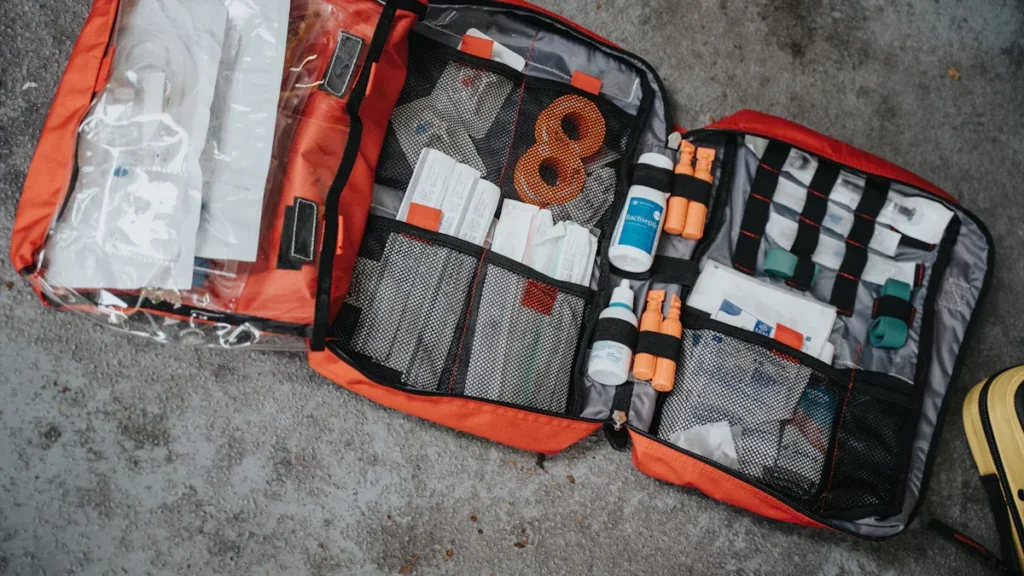
He knows that home preparedness starts with the right supplies. She checks the pantry and wonders if they have enough emergency food for a disaster. They both want to keep their family safe and comfortable if the power goes out. Every family should store enough water, food, and backup power for at least three days. The table below shows what a family of four needs for basic survival during a disaster:
| Item | Quantity per person | Total for family of four |
|---|---|---|
| Water | 1 gallon per day | 12 gallons for 3 days |
| Nonperishable food | Enough for 3 days | Enough for 4 people for 3 days |
He adds bottled water and canned goods to their home preparedness kit. She checks flashlights and charges backup batteries. They both know that emergency food should last without refrigeration and be easy to prepare. She also keeps a manual can opener handy.
Tip: Rotate emergency food and water every six months to keep supplies fresh and ready for any disaster.
Building and Maintaining Your Go-Bag
He packs a go-bag for each family member. She includes emergency food, water, and first aid. They remember to add items that many families forget during home preparedness:
Important documents (IDs, insurance, prescriptions)
N95 masks for wildfires
Dry bags for floods or hurricanes
Crowbar for earthquakes
Hand and foot warmers for winter storms
They avoid common mistakes by following a checklist. Many families rely only on digital communication, ignore personal safety, or forget about power outages. He plans for mental health by adding a favorite book or game. She reviews their disaster plan and practices using the go-bag with the kids.
Note: Home preparedness means updating go-bags every season and practicing what to do in a survival situation.
Family Communication Plan
Emergency Contacts and Alerts
He knows that a strong communication plan helps his family stay connected during a disaster. She writes down emergency contacts for each family member and keeps copies in their go-bags. They talk about how to receive alerts and warnings, making sure everyone understands the process. Families can use these steps to boost emergency readiness:
List emergency contacts, including out-of-town relatives and local friends.
Share copies of the contact list with everyone in the household.
Discuss how to get alerts from local news, weather apps, and community networks.
| Alert Method | Description |
|---|---|
| Wireless Alerts | Phones receive government notifications about disaster events. |
| Local News | TV and radio stations broadcast updates and evacuation instructions. |
| Social Media | Community groups share real-time information and survival tips. |
Tip: Practice your communication plan a few times each year. This habit builds confidence and keeps everyone ready for the next disaster.
Evacuation Routes and Meeting Points
He studies the neighborhood map and marks safe meeting spots. She chooses one location close to home and another farther away, in case a disaster blocks local roads. They both know that an effective evacuation plan means having options. To create an effective evacuation plan, families should:
Identify two meeting points—one nearby, one outside the neighborhood.
Learn several evacuation routes in different directions.
Know the location of shelters or friends’ homes for emergencies.
They use FEMA’s National Risk Index to understand local risks and tailor their effective evacuation plan. He checks for alternate routes and transportation options. She reminds everyone to follow local officials’ instructions during a disaster. Practicing the effective evacuation plan together helps the family stay calm and focused when survival matters most.
Families who update their plan and practice evacuation routes show true preparedness. They build trust and improve emergency readiness for any disaster.
Home Security & Community Support
Reinforcing Doors and Windows
He wants his family to feel safe, even when emergencies strike. She checks every entry point in their home. They both know that strong doors and windows can stop break-ins and give everyone peace of mind. Suburban homes benefit from a few simple upgrades:
Install solid-core doors with heavy-duty deadbolts.
Add impact-resistant glass or security film to windows.
Use long screws in the strike plate for extra strength.
Place door braces behind main entrances.
Keep gates and fences locked at all times.
Homes with visible cameras see fewer break-ins. Well-lit exteriors can lower crime by almost 40%. She adds motion-sensor lights and smart doorbells for extra security. He trims shrubs near windows to remove hiding spots. They both check that every window has a lock and consider adding security bars or laminated glass.
| Security Measure | Description |
|---|---|
| Reinforced Doors | Solid-core, deadbolts, long screws in strike plate |
| Security Film | Makes glass harder to shatter |
| Hurricane-Rated Glass | Tougher for intruders to break |
| Door Braces | Physical barriers for main doors |
| Safe Room Upgrades | Reinforced interior room with supplies for survival |
Connecting with Neighbors
He waves to the family next door. She joins a neighborhood group chat. They know that strong community ties help everyone during a survival situation. Neighborhood watch programs build trust and keep everyone informed. These groups work with local police and share updates about emergencies.
Community support networks make survival easier. People share resources, check on each other, and recover faster after disasters. Local businesses and organizations often join in, making the whole neighborhood stronger.
Tip: Start a group text or app for your block. Share emergency plans and contact info so everyone stays connected.
Practice and Update Your Plan
Family Drills and Staying Calm
He knows that practice builds confidence. She schedules family drills to make sure everyone remembers what to do. They run through their emergency plan at least twice a year. Some families practice more often, especially if they live in areas with frequent storms or have young children who need extra reminders.
Hold core emergency drills two times each year.
Increase practice if the family lives in a high-risk area.
Repeat drills more often for younger kids.
Adjust drills for seasonal risks, like winter storms or summer heat.
Helping children stay calm during drills matters. She uses simple stories and pictures to explain what will happen. He gives everyone a heads-up before starting. They keep a trusted adult nearby and offer comfort items like fidget toys or headphones. Practicing quietly helps everyone feel safe.
Reviewing and Refreshing Supplies
He checks the emergency kit every six months. She looks at expiration dates on food and water. They test flashlights and radios, making sure batteries work. They update important documents and replace anything that is out of date. After a real emergency, they review what worked and what needs to change.
Review and update the emergency plan every 6-12 months.
Refresh expired supplies and update contact information.
Adjust the plan as children grow or family needs change.
Use seasonal changes as reminders to check supplies.
Preparedness grows stronger with regular practice and updates. Families who make these habits part of their routine feel ready for whatever comes next.
Preparedness grows with regular practice. He updates the family plan and checks supplies. She involves the kids in drills, building confidence and reducing fear. Families who plan ahead enjoy peace of mind and long-term resilience.
Proactive planning helps families navigate emergencies.
Engaging children boosts awareness and security.
FAQ
How often should families practice their emergency plan?
He suggests practicing at least twice a year. She likes to add extra drills before storm season or when the family moves to a new home.
What should go in a child’s go-bag?
They pack snacks, water, a flashlight, a comfort item, and a contact card. He adds a small game or book to help kids feel calm.
Can pets be part of the emergency plan?
She always includes pets. They keep extra food, water, and a leash ready. He adds a favorite toy or blanket to help pets feel safe.
Conclusion
In conclusion, “Survival Skills for Suburbia” underscores the importance of adapting traditional survival techniques to fit the unique challenges and environments of suburban living. By integrating practical skills such as resource management, emergency preparedness, and community networking, individuals can enhance their resilience and self-sufficiency. As suburbs continue to evolve, fostering a mindset geared towards proactive planning and problem-solving is essential. Embracing these skills not only ensures personal safety but also contributes to the creation of a more supportive and responsive community. Ultimately, the knowledge and strategies gained from mastering suburban survival skills empower individuals to thrive amidst uncertainty, fostering a sense of security and confidence in their everyday lives.