Emotional Workouts: Boost Focus, Reduce Stress

In today’s fast-paced world, emotional fitness is as crucial as physical well-being. It refers to the mind’s ability to handle stress, maintain focus, and stay resilient in challenging situations. Just like physical workouts strengthen the body, emotional workouts fortify the mind.
“Emotional fitness is the key to sustaining performance without burning out.”
By integrating emotional workouts into daily routines, professionals can significantly enhance their focus and reduce stress. These workouts involve simple yet effective micro-habits that fit seamlessly into busy schedules. From quick breathing exercises to gratitude practices, these small habits can lead to substantial improvements in mental clarity and energy management.
https://jvz3.com/c/3417853/408801
The Power of Breathing Resets
Incorporating 90-second breathing resets into your daily routine can be a game-changer for managing stress and improving focus. These quick exercises are designed to recalibrate your mind, offering a mental pause that can rejuvenate your energy levels.
Technique 1: Box Breathing
Inhale deeply through your nose for a count of four.
Hold your breath for another count of four.
Exhale slowly through your mouth for four counts.
Hold again for four counts before repeating.
Box breathing helps in calming the mind and enhancing concentration by controlling the breath.
Technique 2: Diaphragmatic Breathing
Place one hand on your chest and the other on your abdomen.
Inhale deeply through your nose, ensuring your abdomen rises more than your chest.
Exhale slowly through pursed lips.
Repeat for 90 seconds to feel a sense of relaxation.
This technique reduces tension and supports emotional balance, making it perfect for quick resets.
These simple breathing exercises can be practiced anywhere—between meetings or during breaks—to maintain a calm and focused state of mind throughout the day.
Gratitude Sprints for Mental Clarity
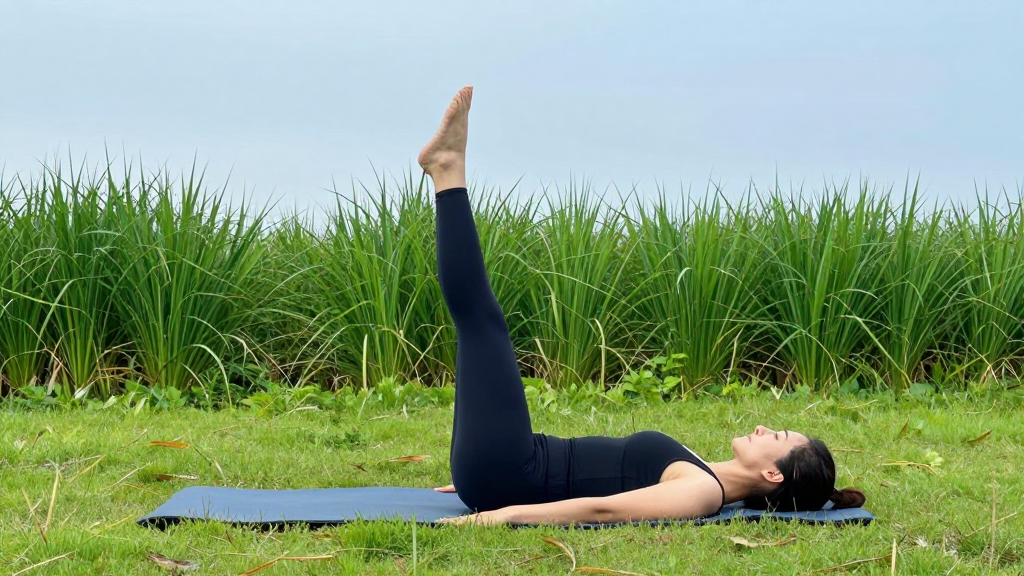
Gratitude sprints are quick, intentional bursts of thankfulness practiced to boost mental clarity and emotional well-being. These short exercises allow you to focus on positive aspects of your life, providing a mental reset that enhances emotional fitness. Science reveals that regularly practicing gratitude can lead to improved mental health, increased resilience, and reduced stress levels.
| Type of Exercise | Description | Example |
|---|---|---|
| Gratitude Journaling | Write down three things you’re grateful for daily. | “I’m grateful for my supportive team.” |
| Gratitude Reflection | Take a moment to reflect on positive events from the day. | “Remembering the kind gesture from a colleague.” |
| Gratitude Sharing | Express gratitude to someone in person or via message. | “Thank you for always being there for me.” |
Quick exercises like jotting down gratitude prompts or sharing appreciation with others can seamlessly fit into your daily schedule. For example, each morning, consider prompts like “What are three things I’m thankful for today?” or “Who made me smile recently?” These practices can create a more positive mindset and improve focus throughout the day.
Boundary Reps to Protect Energy
In high-stress environments, setting personal and professional boundaries is crucial for maintaining energy and focus. Boundaries act as a protective barrier, ensuring that your time and resources are spent wisely and not drained by unnecessary demands. Without them, the risk of burnout increases as your capacity to manage stress diminishes.
“Boundaries aren’t just walls; they’re bridges to sustainable productivity and well-being.”
Incorporating boundary reps into your daily routine can significantly help in preventing burnout. These reps are essentially exercises in saying “no” and prioritizing tasks that align with your goals. By regularly practicing these reps, you build resilience against external pressures and reclaim control over your schedule.
Clearly define your work hours and communicate them to colleagues.
Schedule regular breaks to recharge during the day.
Learn to delegate tasks that overwhelm your workload.
Prioritize tasks that align with your long-term goals.
Practice saying “no” when additional demands threaten your focus.
By implementing these practical tips, you can establish and maintain boundaries that protect your energy, ultimately leading to improved focus and reduced stress in your daily professional life.
Spotting Early Energy Leaks
https://jvz2.com/c/3417853/423305
In fast-paced professional environments, recognizing signs of energy depletion is vital for maintaining focus and mental clarity. Common indicators include chronic fatigue, irritability, and difficulty concentrating, which can all signal that your energy reserves are running low.
Common Energy Leaks
Modern workplaces are rife with potential energy drains. Frequent interruptions, excessive multitasking, and unclear priorities can all sap your strength. Additionally, a lack of autonomy or constantly shifting goals can exacerbate these issues, leaving you feeling overwhelmed.
Strategies to Prevent Energy Leaks
Addressing energy leaks requires proactive measures:
Prioritize tasks that align with your core objectives.
Set boundaries for interruptions by scheduling focused work periods.
Limit multitasking by dedicating time blocks to single tasks.
Communicate with your team to clarify roles and expectations.
Incorporate short breaks to recharge mentally throughout the day.
By identifying and addressing these early signs of energy depletion, professionals can prevent burnout and maintain a sustainable rhythm of work and rest. This proactive approach ensures that your mental and emotional resources are preserved, enhancing both productivity and well-being.
https://jvz3.com/c/3417853/415009
Rewiring Stress Responses
Understanding the body’s stress response is crucial for maintaining emotional fitness. When faced with stressors, our bodies trigger a “fight or flight” response, releasing hormones like adrenaline and cortisol. While these responses are natural, they can be counterproductive in a professional setting if not managed properly.
To effectively rewire and manage stress, consider integrating these techniques into your daily routine:
Practice mindfulness meditation to calm the mind and reduce anxiety.
Engage in regular physical activity to lower stress hormone levels.
Implement deep breathing exercises to activate the body’s relaxation response.
Set realistic goals to prevent overwhelming stress and build resilience.
“Effective stress management leads to a sustainable performance rhythm, ensuring long-term productivity and well-being.” By consistently applying these techniques, professionals can shift their stress responses from reactive to proactive, fostering a balanced approach to challenges.
In the long run, mastering stress response techniques not only enhances your focus but also supports your overall mental health. This sustainable performance rhythm helps prevent burnout and promotes a healthier work-life balance.
FAQ on Emotional Workouts
What are emotional workouts?
Emotional workouts are activities designed to enhance your emotional fitness. They include practices such as breathing resets, gratitude sprints, and boundary reps. These exercises help improve focus, reduce stress, and build resilience, especially for those in high-stress careers.
Are emotional workouts time-consuming?
No, emotional workouts fit seamlessly into a busy schedule. They involve micro-habits that can be completed in just a few minutes, such as 90-second breathing exercises or quick gratitude reflections.
Do emotional workouts replace traditional mental health practices?
Emotional workouts complement, rather than replace, traditional mental health practices. They serve as daily maintenance for your emotional well-being, supporting therapy or counseling when needed.
Is emotional fitness only for those in high-stress jobs?
While particularly beneficial for those in demanding professions, emotional fitness is valuable for anyone seeking to improve their mental resilience and overall well-being. These practices can benefit personal and professional life alike.
Understanding emotional workouts can empower you to effectively manage stress and enhance your focus, paving the way for a healthier, more resilient life.
https://serenity7wellness.com/index.php/2026/01/01/immersive-vr-cardio-boost-your-fitness-routine/
Conclusion
Incorporating emotional workouts into your daily routine is a powerful step towards enhanced focus and reduced stress. From 90-second breathing resets to gratitude sprints and boundary reps, these micro-habits provide a sustainable path to emotional resilience. By spotting early energy leaks and rewiring stress responses, professionals can cultivate a rhythm that prevents burnout.
“Small changes lead to big impacts.” Embracing these practices empowers you to navigate high-pressure environments with greater ease and clarity.
Start today by integrating these simple yet effective exercises into your schedule, and experience the profound benefits of emotional fitness. Your mind, body, and career will thank you.